

Digital marketing and web development are closely connected, and marketers must understand key web development practices to ensure campaign success. Modern users expect fast, mobile-optimized websites, and even the best marketing strategies can fail if the technical foundation is weak.
Digital marketing and web development have become inseparable disciplines. As a digital marketer, understanding key web development practices isn’t just helpful—it’s essential for campaign success. The websites and landing pages you create directly impact user experience, conversion rates, and search engine rankings.
Modern consumers expect lightning-fast, mobile-optimized experiences. When your web development foundation is solid, your marketing campaigns perform better. When it’s lacking, even the most brilliant marketing strategy can fall flat.
This guide covers the most important web development practices that digital marketers should master in 2025. Whether you’re collaborating with developers or building pages yourself, these insights will help you create websites that convert visitors into customers.
Mobile-First Design Principles

Mobile devices now account for over 60% of global web traffic. Building with mobile-first principles means designing for smaller screens first, then scaling up to desktop versions.
Start by identifying the core content and functionality users need on mobile. Strip away unnecessary elements that might clutter the mobile experience. Navigation should be simple and thumb-friendly, with touch targets at least 44 pixels in size.
Mobile-first also means optimizing for touch interactions. Buttons should be easily tappable, forms should minimize typing requirements, and important actions should be within easy reach of users’ thumbs.
Consider how your marketing messages will appear on mobile screens. Headlines that work perfectly on desktops might be too long for mobile viewports. Test your key marketing copy across different device sizes to ensure your message remains compelling and clear.
Core Web Vitals and Performance Optimization
Google’s Core Web Vitals have become crucial ranking factors that directly impact your marketing ROI. These metrics measure real user experience through three key indicators: Largest Contentful Paint (LCP), First Input Delay (FID), and Cumulative Layout Shift (CLS).
LCP measures loading performance and should occur within 2.5 seconds. Optimize images, minimize server response times, and eliminate render-blocking resources to improve this metric. Use modern image formats like WebP and implement lazy loading for images below the fold.
FID measures interactivity and should be less than 100 milliseconds. Minimize JavaScript execution time and defer non-essential scripts. Remove unused code and optimize third-party scripts that might slow down user interactions.
CLS measures visual stability and should be less than 0.1. Reserve space for images, ads, and embedded content to prevent unexpected layout shifts. These shifts frustrate users and can cause them to accidentally click on unintended elements.
Use tools like Google PageSpeed Insights and Chrome DevTools to monitor these metrics regularly. Small improvements in Core Web Vitals can lead to significant increases in organic traffic and conversion rates.
Search Engine Optimization Fundamentals
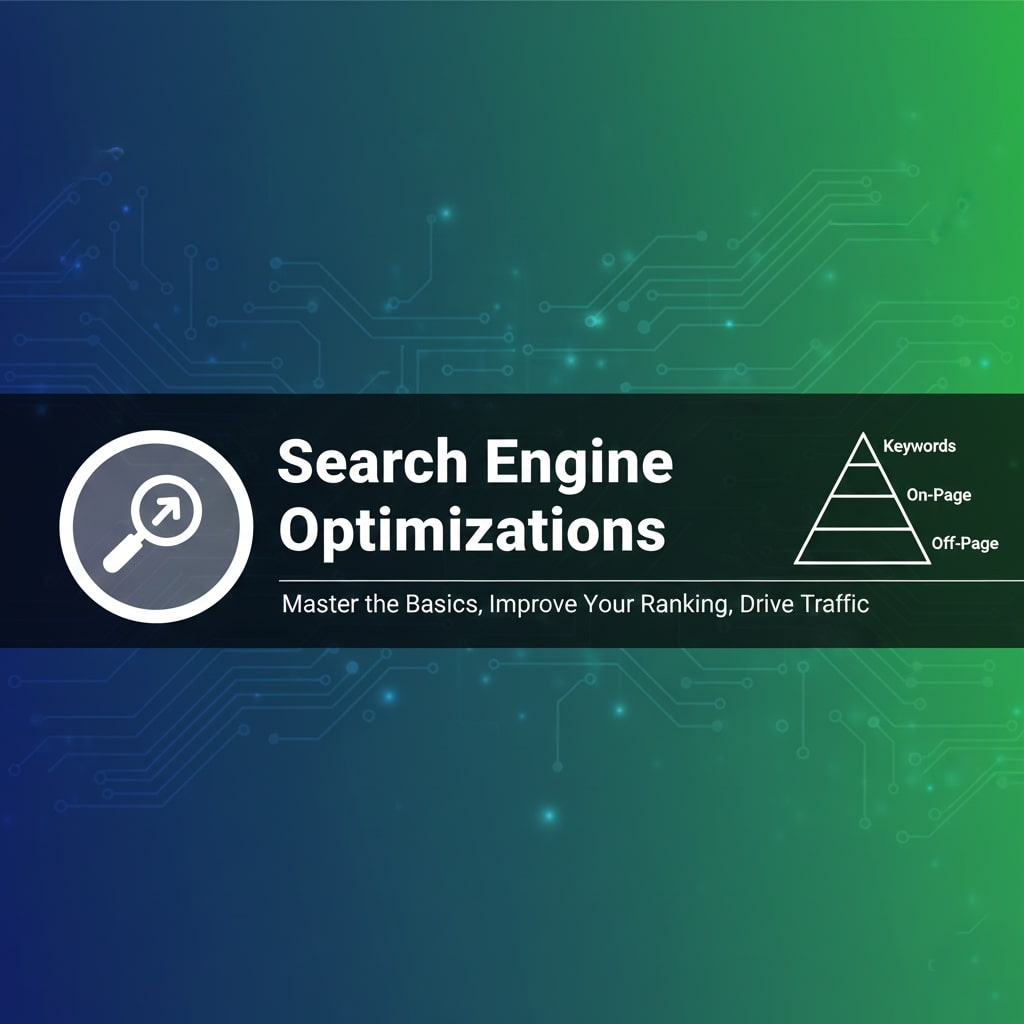
Technical SEO forms the backbone of successful digital marketing campaigns. Clean, semantic HTML structure helps search engines understand your content and improves accessibility for all users.
Use heading tags (H1, H2, H3) to create a logical content hierarchy. Each page should have one H1 tag that clearly describes the main topic. Subheadings should follow a logical order and include relevant keywords naturally.
Meta titles and descriptions remain crucial for click-through rates from search results. Write compelling titles under 60 characters and descriptions under 160 characters. Include your target keywords while maintaining readability and appeal.
Implement structured data markup to help search engines understand your content better. Schema markup can enhance your search listings with rich snippets, potentially increasing click-through rates.
Create XML sitemaps and submit them to search engines. Ensure your robots.txt file is properly configured to guide search engine crawlers toward your most important pages.
Internal linking strategies can boost page authority and help users discover related content. Link to relevant pages using descriptive anchor text that provides context about the destination page.
User Experience and Conversion Optimization
Web development choices directly impact conversion rates. Every design decision should consider how it affects user behavior and the path to conversion.
Reduce form friction by asking only for essential information. Use progressive disclosure to break long forms into manageable steps. Implement real-time validation to help users correct errors immediately rather than after submission.
Design clear call-to-action buttons that stand out visually from surrounding content. Use action-oriented language and create urgency when appropriate. Test different button colors, sizes, and positioning to find what works best for your audience.
Page loading speed affects conversion rates significantly. Even a one-second delay can reduce conversions by 7%. Compress images, minify CSS and JavaScript files, and leverage browser caching to improve loading times.
Implement A/B testing frameworks to continuously optimize key pages. Test headlines, images, button text, and page layouts to identify what resonates best with your audience. Use statistical significance to make data-driven decisions about changes.
Security and Privacy Considerations
Web security directly impacts user trust and search engine rankings. Implement HTTPS across your entire website to encrypt data transmission and signal trustworthiness to both users and search engines.
Keep all software, plugins, and frameworks updated to protect against security vulnerabilities. Regular updates also ensure compatibility with the latest web standards and browser features.
Privacy regulations like GDPR and CCPA require careful handling of user data. Implement clear consent mechanisms for cookies and tracking scripts. Provide easy ways for users to access, modify, or delete their personal information.
Use Content Security Policy (CSP) headers to prevent cross-site scripting attacks and unauthorized code execution. This is particularly important when integrating third-party marketing tools and tracking pixels.
Regular security audits and vulnerability scans help identify potential issues before they become problems. Consider using security monitoring tools to detect and respond to threats quickly.
Analytics and Data Integration

Proper analytics implementation provides the data you need to measure marketing campaign success and identify optimization opportunities.
Set up Google Analytics 4 with enhanced e-commerce tracking to understand user behavior throughout the conversion funnel. Configure custom events to track specific actions that matter to your business goals.
Implement proper UTM parameter tracking for all marketing campaigns. This allows you to accurately attribute traffic and conversions to specific marketing channels and campaigns.
Use Google Tag Manager to organize and manage tracking codes efficiently. This reduces the need to modify website code directly and allows for easier testing and deployment of new tracking requirements.
Consider implementing heat mapping tools like Hotjar or Crazy Egg to visualize user behavior on key pages. This data can reveal usability issues and optimization opportunities that traditional analytics might miss.
Ensure data accuracy by regularly auditing your analytics setup. Verify that goals are tracking properly and that data matches what you expect based on your marketing activities.
Getting Started with Better Web Development
Focus on the practices that will have the biggest impact on your marketing goals. Start with mobile optimization and page speed improvements, as these affect both user experience and search rankings.
Establish regular communication with your development team or freelancers. Share marketing objectives and conversion goals so they can make informed decisions about technical implementations.
Create a checklist of essential items to review before launching new pages or campaigns. Include items like mobile responsiveness, page speed, SEO elements, and analytics tracking.
Invest time in learning basic HTML, CSS, and JavaScript concepts. You don’t need to become a developer, but understanding these fundamentals will help you communicate more effectively with technical teams and make informed decisions about your marketing campaigns.
Stay updated on web development trends and best practices by following industry blogs and attending relevant conferences or webinars. The web development landscape evolves rapidly, and staying current ensures your marketing efforts remain competitive.
Frequently Asked Questions: Digital Marketing and Web Development
1. Why is it important for digital marketers to understand web development?
Digital marketing and web development are tightly interconnected. A marketer who understands basic web development can better influence user experience, optimize conversion rates, and improve search engine rankings. Even the most brilliant marketing strategy may underperform if the website or landing page does not function well or load quickly.
2. What does mobile-first design mean, and why is it essential?
Mobile-first design means designing websites starting with the mobile experience and then scaling up to desktops. With mobile traffic exceeding 60% of global web traffic, ensuring your website is intuitive, fast, and easy to navigate on small screens is crucial. Mobile-first principles involve optimizing navigation, touch interactions, and key marketing messages to ensure users can engage easily without frustration.
3. How do Core Web Vitals affect marketing performance?
Core Web Vitals are metrics that measure real user experience, including page load speed, interactivity, and visual stability. These metrics influence search engine rankings and directly impact conversions. Optimizing images, minimizing JavaScript execution, and ensuring layout stability are ways to improve performance. Even small improvements can lead to higher organic traffic and better marketing ROI.
4. What are the fundamental SEO practices marketers should know?
Technical SEO is the backbone of search visibility. Using clean HTML, proper heading structure, meta titles, descriptions, and structured data helps search engines understand your content. Internal linking, XML sitemaps, and a properly configured robots.txt file are also essential. Together, these practices improve discoverability and drive qualified traffic to your pages.
4. How does web development influence user experience and conversions?
Web development choices impact how users navigate your site and complete desired actions. Simplifying forms, designing clear call-to-action buttons, improving page load speeds, and conducting A/B testing can significantly increase conversion rates. Every technical decision, from button placement to page speed optimization, affects the likelihood of turning visitors into customers.
5. What security and privacy measures should marketers consider?
Web security and privacy are critical for building trust. Implementing HTTPS, keeping software up to date, complying with GDPR or CCPA, and using Content Security Policy headers protect both user data and search engine rankings. Regular security audits and monitoring help prevent vulnerabilities, particularly when integrating marketing tools or third-party scripts.
6. Why is proper analytics implementation essential for digital marketers?
Analytics allow marketers to measure campaign performance and optimize based on real data. Setting up tools like Google Analytics 4, implementing UTM parameters, using tag management systems, and visualizing user behavior with heatmaps provide insights into how visitors interact with your website. Regular auditing ensures accurate tracking and reliable data for informed decisions.
7. Where should marketers start if they want to improve web development knowledge?
Start with practices that have the biggest impact, such as mobile optimization and improving page speed. Learn basic HTML, CSS, and JavaScript to communicate effectively with developers. Maintaining a checklist for launches, establishing good communication with technical teams, and staying updated on trends through blogs, webinars, or conferences will ensure marketing campaigns perform at their best.
8. How do website speed and performance directly impact marketing success?
Website speed affects both user experience and search rankings. Slow-loading pages frustrate visitors, leading to higher bounce rates and lower conversions. Even a one-second delay can reduce conversion rates by up to 7%. Optimizing images, minimizing code, leveraging browser caching, and reducing server response times are essential steps to keep users engaged and improve campaign performance.
9. What role does internal linking play in SEO and user experience?
Internal linking helps search engines understand the structure of your website and distributes page authority across important pages. For users, it provides easy access to related content, keeping them engaged longer and guiding them toward conversion points. Descriptive anchor text ensures that both search engines and users understand what the linked page offers.
10. Why is ongoing collaboration with web developers important for marketers?
Marketing goals and technical implementation must align for campaigns to succeed. Regular communication with developers ensures that pages are optimized for performance, SEO, and user experience. Sharing objectives, conversion goals, and key metrics allows developers to make informed decisions that enhance campaign effectiveness and avoid technical bottlenecks.