
Web development and digital marketing might seem like separate disciplines, but they’re actually deeply interconnected. Your website serves as the foundation for every marketing campaign, social media post, and customer interaction. Without solid web development practices, even the most creative marketing strategies can fall flat.
This post explores how web development directly impacts your digital marketing efforts and why treating them as complementary forces can transform your online presence.
The Foundation: How Web Development Shapes Enables Marketing
Web development creates the technical infrastructure that makes digital marketing possible. Every marketing campaign needs a destination—whether that’s a landing page, product showcase, or contact form. Developers build these digital touchpoints that convert visitors into customers.
Consider email marketing campaigns. They drive traffic to specific pages, but if those pages load slowly or break on mobile devices, your marketing budget goes to waste. Web development ensures these crucial conversion points work seamlessly across all devices and browsers.
Search engine optimization also depends heavily on web development. While marketers create compelling content, developers implement the technical SEO elements that help search engines understand and rank that content. This includes meta tags, schema markup, site speed optimizations, and mobile responsiveness.
User Experience as a Marketing Tool

Modern web development focuses intensely on user experience (UX), which directly impacts marketing performance. When developers create intuitive navigation, fast-loading pages, and mobile-friendly designs, they’re actually building marketing assets.
A well-developed website reduces bounce rates and increases time on site, both important ranking factors for search engines. Users who can easily find what they’re looking for are more likely to subscribe to newsletters, make purchases, or share content on social media.
Conversion rate optimization exemplifies this connection. Developers run A/B tests on button colors, form layouts, and page structures to improve conversion rates. These technical changes can dramatically increase the effectiveness of marketing campaigns without requiring additional ad spend.
Technical SEO: Where Development Meets Marketing
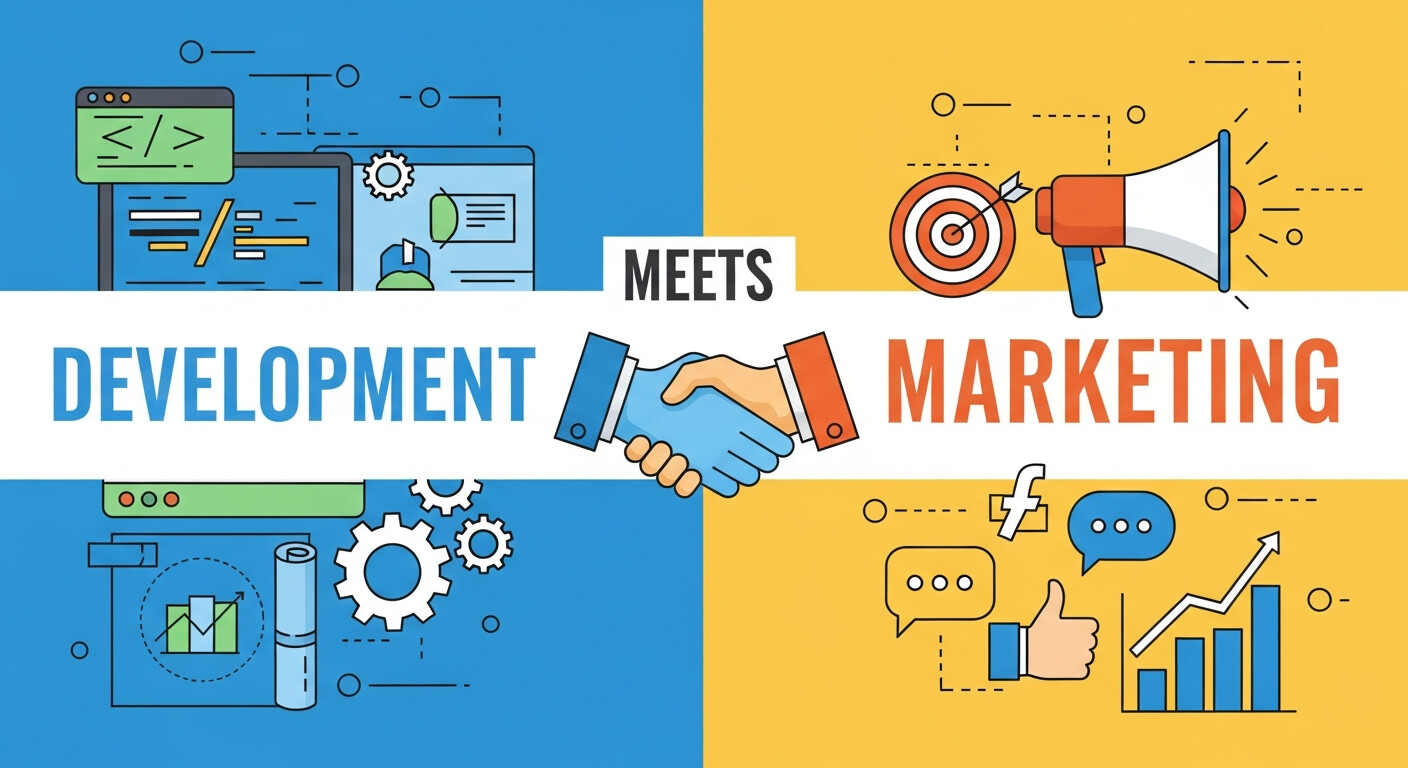
Technical SEO represents the clearest overlap between web development and digital marketing. Search engines evaluate websites based on technical factors that developers control directly.
Page speed affects both user experience and search rankings. Developers optimize images, minimize code, and implement caching to create faster websites. These technical improvements help marketing content rank higher in search results.
Mobile responsiveness has become crucial as mobile searches now dominate desktop searches. Developers ensure websites work perfectly on smartphones and tablets, supporting mobile marketing strategies and improving search visibility.
Site architecture also influences SEO performance. Developers create logical URL structures, implement proper redirects, and build XML sitemaps that help search engines crawl and index marketing content effectively.
The Rise of Serverless Web Development
Serverless Web Development is revolutionizing how websites are built and maintained. By removing the need for traditional server management, developers can focus on code, performance, and scalability. This approach reduces operational costs and allows faster deployment of web applications. For marketers, serverless architectures mean faster loading times and better site reliability, which improves user experience and search rankings. With serverless frameworks, features like automated scaling and event-driven functions support high traffic during campaigns without downtime. Businesses adopting serverless models can combine technical efficiency with marketing effectiveness, ensuring web campaigns reach more users and perform seamlessly across devices.
Web Design Principles for Effective Marketing
Web Design is more than aesthetics; it directly affects user engagement and conversion rates. A clean, intuitive layout guides visitors toward key actions like signing up for newsletters or making purchases. Using consistent typography, color schemes, and visual hierarchy improves readability and builds trust. Web Design also integrates with digital marketing strategies such as content marketing and paid ads. Optimizing design for mobile devices, fast load times, and accessibility ensures campaigns reach a broader audience. Every marketing element, from call-to-action buttons to banners, relies on effective Web Design. Well-executed design strengthens brand identity and maximizes the impact of marketing campaigns.
Ensuring Web Accessibility for All Users
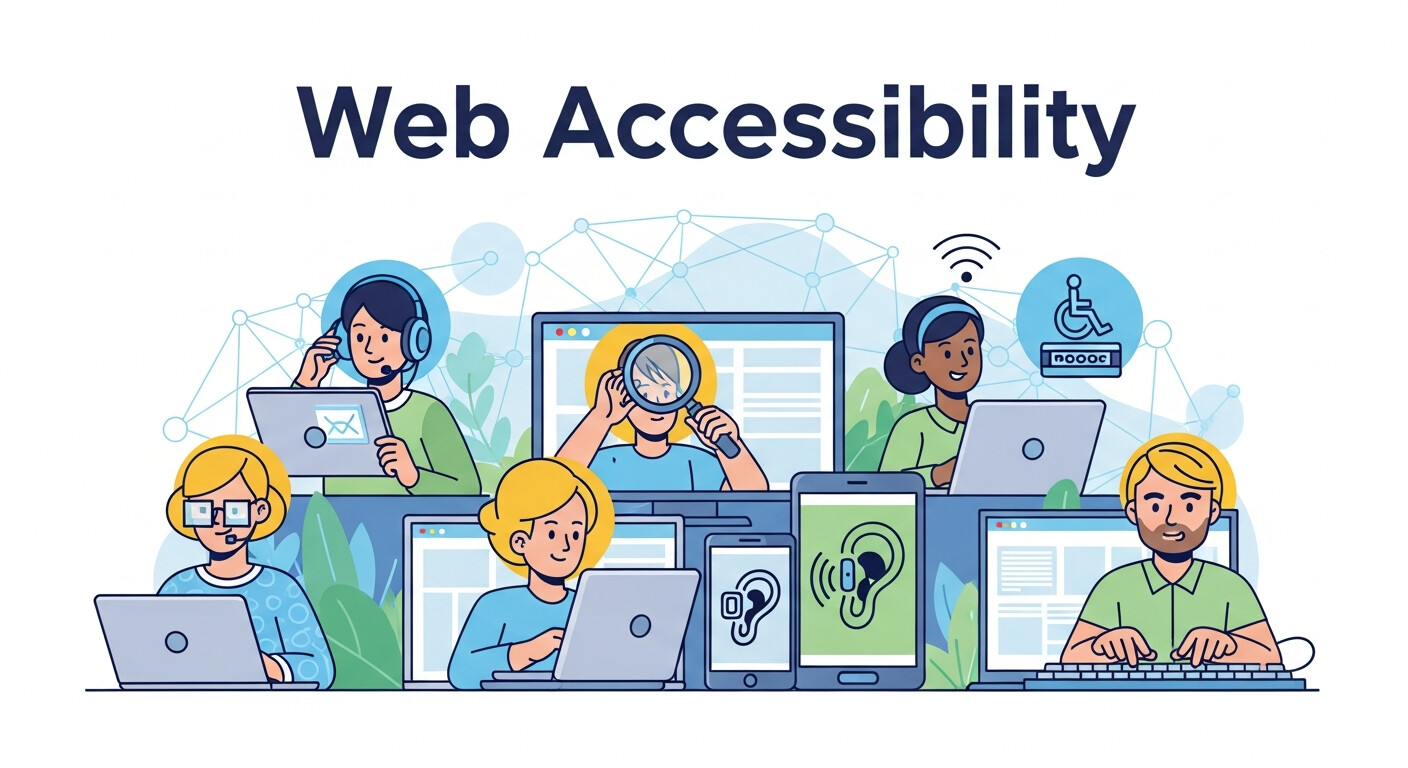
Ensuring Web Accessibility is crucial for reaching all potential customers, including those with disabilities. Accessibility practices like proper alt text, keyboard navigation, and readable fonts improve user experience and prevent legal risks. Accessible websites also contribute to better SEO performance because search engines favor clear structure and semantic HTML. Marketing campaigns perform better when every visitor can interact with content, complete forms, and make purchases. By prioritizing accessibility, businesses demonstrate inclusivity and social responsibility, boosting brand reputation. Web development and marketing teams should collaborate to audit accessibility standards regularly and implement updates that make websites usable for everyone.
Serverless Web Development for Scalable E-Commerce
Serverless Web Development is particularly valuable for e-commerce sites that experience fluctuating traffic. Unlike traditional server setups, serverless platforms automatically handle traffic spikes without performance issues. This reliability ensures that marketing campaigns, such as product launches or seasonal sales, deliver results without downtime. Developers can implement features like real-time inventory updates, fast checkout, and personalized product recommendations. By reducing server maintenance, businesses can allocate more resources to marketing strategies. Combining serverless infrastructure with effective Web Design and analytics enables e-commerce platforms to optimize conversion rates, maintain customer satisfaction, and scale efficiently during high-demand periods.
Web Design That Improves SEO Performance
SEO and Web Design go hand-in-hand. Thoughtful Web Design improves site navigation, loading speed, and mobile responsiveness—all factors that search engines consider for ranking. Designers incorporate clean code, structured data, and accessible layouts to enhance search visibility. Marketing campaigns, such as email newsletters and paid ads, rely on well-designed landing pages to maximize conversions. A visually appealing, fast-loading, and easy-to-navigate website keeps visitors engaged, reduces bounce rates, and increases time on site. Integrating SEO best practices into Web Design ensures that both technical performance and marketing effectiveness are optimized simultaneously.
Integrating Accessibility in Marketing Campaigns

Ensuring Web Accessibility also extends to marketing materials like landing pages, banners, and email campaigns. Accessible content reaches wider audiences, including users relying on screen readers or alternative input devices. Marketing metrics such as click-through rates and conversion rates improve when accessibility barriers are removed. Incorporating accessibility into web development from the beginning ensures that marketing campaigns are inclusive, compliant with legal standards, and maintain a positive brand image. Developers and marketers should work together to implement accessible forms, captions, and visual contrast while maintaining aesthetic appeal.
Benefits of Serverless Web Development for Startups
Serverless Web Development offers startups an efficient way to launch scalable websites without heavy infrastructure costs. By focusing on code rather than server management, startups can speed up time-to-market and optimize user experience. Marketing campaigns benefit from improved site reliability, fast load times, and flexible integrations with analytics and CRM tools. Serverless architecture supports rapid iteration, allowing marketing and development teams to test landing pages, A/B variations, and promotional features without downtime. For growing businesses, this approach provides a cost-effective, technically robust foundation that supports both marketing growth and operational efficiency.
Web Design Trends That Enhance Engagement
Modern Web Design trends like minimalism, micro-interactions, and dark mode enhance user engagement and marketing effectiveness. Thoughtful design guides users toward key actions, reinforcing campaign goals such as newsletter subscriptions or product purchases. Responsive layouts ensure compatibility across devices, while visually engaging elements capture attention in competitive markets. Marketing success relies on Web Design that balances aesthetics and usability. Features like clear CTAs, interactive product displays, and fast-loading graphics directly impact conversion rates. Staying updated with design trends ensures marketing campaigns look professional, attract users, and support overall business growth.
Combining Serverless Web Development with Accessibility
The combination of Serverless Web Development and Ensuring Web Accessibility creates high-performing, inclusive websites. Serverless frameworks provide speed, scalability, and reliability, while accessibility ensures all users can navigate and interact with content. Together, they improve SEO, user experience, and campaign conversions. Marketing initiatives, from email drives to paid advertisements, perform better when landing pages load instantly and are usable by everyone. By integrating these strategies into web development and design, businesses achieve technical efficiency, inclusivity, and measurable marketing success in one unified approach.
Data Integration and Analytics
Web development enables the data collection that drives marketing decisions. Developers integrate analytics tools, set up conversion tracking, and implement marketing automation platforms that help marketers understand campaign performance.
Customer relationship management (CRM) systems require technical integration to capture lead information from websites. Developers build forms, configure databases, and set up automated workflows that nurture leads generated through marketing campaigns.
Marketing automation platforms like HubSpot, Marketo, and Salesforce need proper technical implementation to work effectively. Developers handle API integrations, data synchronization, and custom functionality that makes these marketing tools more powerful.
Content Management and Marketing Efficiency
Modern web development includes building content management systems (CMS) that let marketers update content without technical assistance. This independence allows marketing teams to respond quickly to trends, update campaigns, and publish content on their own schedules.
Blog platforms, landing page builders, and e-commerce systems all require careful development to support marketing goals. Developers create templates, custom fields, and user-friendly interfaces that help marketers work more efficiently.
Dynamic content capabilities also emerge from web development. Developers build systems that personalize website experiences based on user behavior, location, or previous interactions. This personalization supports targeted marketing campaigns and improves conversion rates.
Social Media Integration
Web development enables social media marketing through various technical integrations. Developers implement social sharing buttons, embed social media feeds, and set up social login options that reduce friction for users.
Open Graph tags and Twitter Cards require technical implementation but dramatically improve how content appears when shared on social platforms. These development tasks directly support social media marketing efforts by making shared content more engaging and clickable.
Social proof elements like testimonials, reviews, and user-generated content need proper development to display effectively. These features support marketing messages and build trust with potential customers.
E-commerce and Marketing Alignment
For businesses selling products online, web development and marketing alignment become even more critical. Developers build product pages, shopping carts, and checkout processes that convert marketing traffic into sales.
Payment gateway integration, inventory management, and order processing systems all require technical development but directly impact marketing ROI. A poorly developed checkout process can waste marketing spend by losing customers at the final step.
Product recommendation engines, abandoned cart recovery systems, and email marketing integrations all require development work but significantly boost marketing effectiveness for e-commerce businesses.
Building Your Integrated Strategy
The most successful businesses treat web development and digital marketing as complementary disciplines rather than separate departments. Regular communication between developers and marketers ensures technical capabilities align with marketing goals.
Start by auditing your current website’s technical performance. Identify areas where development improvements could boost marketing effectiveness. This might include page speed optimization, mobile responsiveness fixes, or better analytics implementation.
Consider involving developers in marketing planning sessions. They can identify technical opportunities, suggest new capabilities, and ensure marketing campaigns have proper technical support from the beginning.
Invest in tools and platforms that bridge the gap between development and marketing. Modern CMS platforms, marketing automation tools, and analytics systems can help both teams work more effectively together.
Frequently Asked Questions (FAQ)
1. How does web development affect digital marketing?
Web development provides the foundation for marketing campaigns. Fast, responsive, and well-structured websites improve SEO, conversions, and user engagement. Developers implement technical SEO and analytics integration, ensuring marketing strategies perform effectively.
2. Why is user experience (UX) important for marketing?
Good UX keeps visitors engaged, reduces bounce rates, and increases conversions. Intuitive navigation, fast loading, and mobile-friendly design enhance marketing performance and support campaigns like email, social media, and paid ads.
3. What is the role of technical SEO in marketing?
Technical SEO optimizes site infrastructure for search engines. Developers handle site speed, mobile responsiveness, XML sitemaps, and schema markup, helping marketing content rank higher and attract organic traffic.
4. How does web development support e-commerce marketing?
Development ensures product pages, checkout, and payment systems work flawlessly. Features like abandoned cart recovery, personalized recommendations, and email integration boost conversions and ROI from marketing efforts.
5. Can marketing teams work independently of developers?
Marketers can manage content but rely on developers for analytics setup, automation, and technical integrations. Collaboration ensures campaigns run smoothly and marketing goals are achievable.
6. How do analytics and data integration link development to marketing?
Developers integrate tracking, CRM, and automation tools to provide accurate data. Marketers use this information to optimize campaigns, personalize experiences, and measure ROI effectively.