
React changed how developers build user interfaces. However, creating production-ready applications with React alone requires countless decisions about routing, performance optimization, and deployment strategies. Next.js eliminates these complexities by providing a comprehensive framework that handles the heavy lifting, allowing developers to focus on what matters most: building exceptional user experiences.
This comprehensive guide explores how Next.js has become the go-to choice for modern web development, covering everything from its core features to advanced optimization techniques that can dramatically improve your application’s performance.
What Makes Next.js Special?
Next.js is a React framework created by Vercel that provides everything needed to build fast, scalable web applications. Unlike traditional React applications that render entirely on the client side, Next.js offers multiple rendering strategies to optimize performance and user experience.
The framework addresses common web development challenges through built-in solutions. Server-side rendering improves initial page load times and SEO performance. Automatic code splitting ensures users only download the JavaScript they need. File-based routing eliminates complex routing configuration. These features work together seamlessly, creating a development experience that feels both powerful and intuitive.
Core Features That Drive Developer Adoption

File-Based Routing System
Next.js revolutionizes navigation through its file-based routing system. Instead of configuring routes manually, developers create pages by adding files to the pages directory. A file named about.js automatically becomes accessible at /about. Dynamic routes work just as elegantly—[slug].js captures URL parameters, making it simple to create blog posts, product pages, or any content with variable URLs.
This approach reduces boilerplate code and makes the project structure immediately understandable. New team members can navigate codebases intuitively, knowing that the file structure mirrors the URL structure.
Multiple Rendering Strategies
Next.js provides three main rendering approaches, each optimized for different use cases:
Static Site Generation (SSG) pre-renders pages at build time, creating HTML files that serve instantly from CDNs. This approach works perfectly for blogs, marketing sites, and documentation where content doesn’t change frequently.
Server-side rendering (SSR) generates HTML on each request, ensuring users always see the latest data. E-commerce sites, dashboards, and personalized content benefit from SSR’s ability to deliver fresh information while maintaining fast initial load times.
Client-side rendering (CSR) behaves like traditional React applications, perfect for interactive components that don’t need SEO optimization or initial server rendering.
Built-in Performance Optimization
Next.js automatically optimizes applications without requiring extensive configuration. Code splitting happens automatically, ensuring each page only loads necessary JavaScript. The framework also provides an optimized Image component that handles responsive images, lazy loading, and modern image formats like WebP.
These optimizations compound to create measurably faster applications. Users experience shorter load times, better Core Web Vitals scores, and improved overall performance.
Advanced Features for Modern Web Development
API Routes
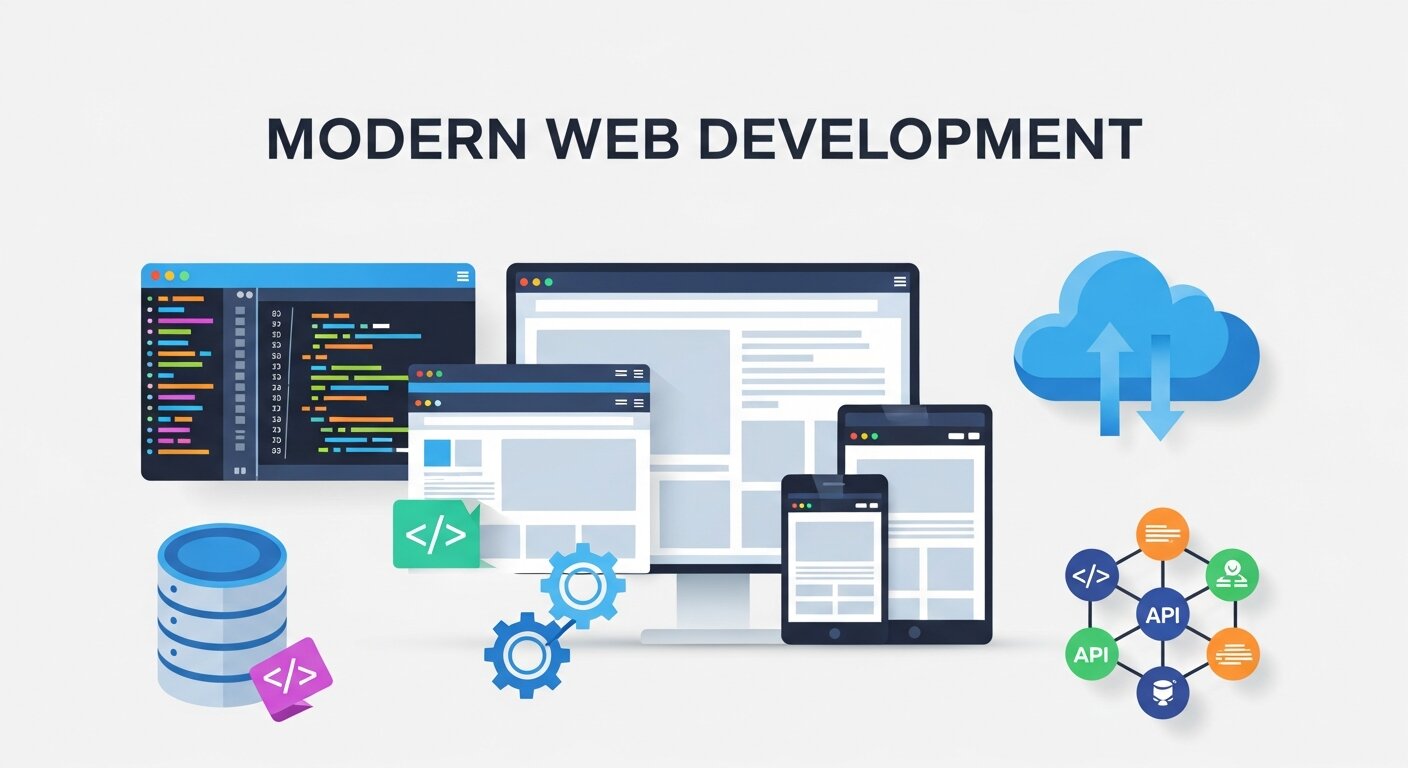
Next.js includes a built-in API solution that allows developers to create backend endpoints within their applications. Files in the The pages/api directory automatically becomes API routes, enabling full-stack development without separate backend services.
This feature proves invaluable for handling form submissions, integrating with databases, or creating custom authentication logic. The seamless integration between frontend and backend code simplifies development and deployment processes.
Middleware and Edge Functions
The framework supports middleware that runs before requests are complete, enabling authentication checks, redirects, and request modification. Edge functions execute this code closer to users, reducing latency and improving global performance.
Advanced Image Optimization
The Next.js Image component goes beyond basic optimization. It automatically serves images in modern formats when browsers support them, implements lazy loading by default, and provides responsive images through srcset generation. These optimizations can reduce image payload sizes by 30-50% while maintaining visual quality.
Development Experience and Tooling
Fast Refresh and Hot Reloading
Next.js provides an exceptional development experience through Fast Refresh, which preserves component state while updating code changes instantly. This feature maintains form inputs, scroll positions, and component state during development, creating a smoother workflow than traditional hot reloading.
TypeScript Integration
The framework offers first-class TypeScript support with automatic configuration and type-checking. Developers can gradually adopt TypeScript or start new projects with full type safety from day one.
Built-in CSS Support
Next.js supports various CSS solutions, including CSS Modules, Sass, and CSS-in-JS libraries. The framework handles optimization and bundling automatically, allowing developers to choose their preferred styling approach without configuration complexity.
Performance Benefits in Real-World Applications

Automatic Code Splitting
Traditional React applications often suffer from large bundle sizes that slow initial page loads. Next.js automatically splits code at the page level, ensuring users only download JavaScript for pages they visit. This approach can reduce initial bundle sizes by 70-80% in large applications.
Prefetching and Optimization
The framework automatically prefetches linked pages when they appear in the viewport, creating near-instant navigation experiences. Combined with service worker caching, these optimizations make Next.js applications feel remarkably fast.
Bundle Analysis and Optimization
Next.js provides built-in bundle analysis tools that help developers identify optimization opportunities. The framework highlights large dependencies and suggests improvements, making performance optimization accessible to developers at all skill levels.
Integrating Modern Tooling
Modern web applications require seamless integration with development tools for faster and more efficient workflows. Utilizing code linters, automated testing frameworks, and continuous integration pipelines ensures that your projects remain maintainable and scalable over time. Developers can focus on building features while minimizing bugs and performance issues. Advanced monitoring tools help detect errors early, providing actionable insights into user behavior and system performance. Leveraging AI in web development allows teams to predict potential bottlenecks, optimize rendering logic, and automate repetitive coding tasks. Combining these approaches accelerates delivery cycles and improves the overall quality of your applications, helping teams meet both business objectives and user expectations efficiently.
Security Best Practices
Ensuring application security is critical as web applications become more complex. Implementing authentication and authorization layers, data encryption, and secure API endpoints helps prevent unauthorized access. Regularly auditing dependencies and libraries reduces vulnerability risks. Developers should adopt practices like input validation, error handling, and rate-limiting to safeguard against common attacks such as SQL injection or XSS. Integrating monitoring systems can proactively detect suspicious activities or breaches. Additionally, SaaS development services often follow industry-standard security protocols, providing added assurance for business-critical applications. Prioritizing security from the start ensures that both developers and users can trust the application while minimizing potential downtime or reputation damage.
Optimizing User Experience
A seamless and responsive user experience can significantly boost engagement and retention. Implementing smooth navigation, consistent design patterns, and fast-loading interfaces makes applications more intuitive. Adaptive layouts and accessibility improvements ensure that users across devices and abilities have a positive experience. Performance monitoring tools help identify slow-loading pages and resource-heavy components. Web application development often involves combining frontend optimizations with backend efficiency to reduce latency and enhance responsiveness. Personalization, real-time updates, and interactive elements contribute to a richer experience. By prioritizing usability and speed, businesses can deliver applications that not only meet functional needs but also delight users, creating long-term engagement and satisfaction.
Leveraging Cloud Services
Cloud computing offers flexibility, scalability, and reliability for modern applications. Hosting resources in the cloud allows businesses to handle variable traffic without over-provisioning infrastructure. Cloud-based storage, serverless functions, and container orchestration simplify deployment and maintenance while reducing operational costs. Many solutions integrate monitoring and automatic scaling features to maintain performance under high demand. AI in web development can enhance cloud-based applications by enabling predictive scaling, intelligent caching, and personalized content delivery. Leveraging these tools allows developers to focus on building features rather than managing infrastructure, ensuring faster time-to-market, higher availability, and seamless user experiences across different regions and devices.
Analytics and Data-Driven Decisions

Data plays a pivotal role in guiding development and business strategies. Integrating analytics allows developers to track user behavior, engagement patterns, and conversion metrics. This information supports data-driven decisions, helping teams identify what features resonate most with users. Combining insights from performance monitoring and feedback loops optimizes both functionality and experience. SaaS development services often include built-in analytics dashboards, enabling product managers to make informed strategic choices. Web application development that prioritizes metrics can iteratively refine interfaces, reduce friction points, and maximize ROI. By leveraging data effectively, organizations can anticipate user needs, improve retention, and maintain a competitive edge in a rapidly evolving digital landscape.
Deployment and Hosting Considerations
Vercel Integration
While Next.js works with any hosting provider, Vercel offers optimized deployment with automatic builds, preview environments, and global CDN distribution. The integration handles server-side rendering, static generation, and edge functions seamlessly.
Self-Hosting Options
Organizations requiring custom hosting can deploy Next.js applications to any Node.js environment. The framework supports containerization through Docker and integrates with popular platforms like AWS, Google Cloud, and Azure.
When to Choose Next.js for Your Project
Next.js excels in scenarios requiring fast initial page loads, SEO optimization, and scalable architecture. E-commerce sites benefit from their ability to statically generate product pages while server-rendering personalized content. Content sites leverage static generation for blazing-fast performance. Complex applications utilize the full spectrum of rendering strategies to optimize different sections appropriately.
The framework also shines for teams wanting to move quickly without sacrificing performance. Its conventions and built-in optimizations reduce decision fatigue while ensuring applications follow best practices by default.
Common Pitfalls and How to Avoid Them
Over-Engineering Rendering Strategies
New Next.js developers sometimes choose complex rendering strategies when simpler approaches would suffice. Start with static generation for most pages, then add server-side rendering only where dynamic content is essential.
Ignoring Bundle Size
While Next.js optimizes automatically, large dependencies can still impact performance. Regularly analyze bundle sizes and consider alternatives to heavy libraries.
Neglecting Image Optimization
Always use the Next.js Image component instead of standard <img> tags. The performance benefits are substantial and the implementation is straightforward.
Transform Your Web Development Process
Next.js represents a significant evolution in web development, combining React’s component-based architecture with production-ready optimizations and developer-friendly conventions. The framework eliminates common performance pitfalls while providing flexibility to handle complex requirements.
Start your Next.js journey by building a simple project and gradually exploring advanced features. The framework’s excellent documentation and active community provide support throughout your learning process. Whether you’re building a personal blog or a large-scale application, Next.js provides the tools and optimizations needed to create exceptional user experiences.
Ready to modernize your web development approach? Create your first Next.js project today and experience the difference a well-designed framework can make.
Frequently Asked Questions (FAQ)
1. What is Next.js, and how is it different from React?
React is a JavaScript library for building user interfaces, while Next.js is a full-fledged framework built on top of React. Next.js adds features like routing, server-side rendering, static site generation, image optimization, and deployment tooling out of the box, which React alone does not provide.
2. Is Next.js good for SEO?
Yes, Next.js is excellent for SEO. Its support for server-side rendering and static site generation allows pages to be indexed properly by search engines. Faster load times and improved Core Web Vitals further enhance SEO performance.
3. When should I use static generation vs server-side rendering?
Static generation is ideal for pages with content that doesn’t change frequently, such as blogs, landing pages, and documentation. Server-side rendering is better for pages that require fresh data on every request, like dashboards, user-specific content, or e-commerce carts.
4. Can Next.js be used for full-stack development?
Yes. Next.js supports API routes, allowing you to create backend endpoints directly within your application. This makes it possible to handle authentication, database operations, and form submissions without a separate backend service.
5. Is Next.js suitable for large-scale applications?
Absolutely. Next.js is widely used in large-scale production applications due to its scalability, performance optimizations, and flexible rendering strategies. Features like code splitting, middleware, and edge functions make it well-suited for complex systems.
6. Do I need to use Vercel to deploy Next.js apps?
No, Vercel is not required. While it offers seamless integration and optimized performance, Next.js can be deployed on any Node. js-compatible hosting platform, including AWS, Google Cloud, Azure, and custom servers.
7. Does Next.js support TypeScript?
Yes. Next.js has first-class TypeScript support. You can start a project with TypeScript enabled or gradually add it to an existing project. The framework automatically configures type checking and build integration.
8. Is Next.js difficult to learn for beginners?
Next.js is beginner-friendly, especially for developers already familiar with React. Its conventions reduce configuration complexity, and the file-based routing system makes project structure easy to understand. Beginners can start simple and adopt advanced features gradually.
9. How does Next.js improve application performance?
Next.js improves performance through automatic code splitting, optimized image handling, prefetching of linked pages, and multiple rendering strategies. These features reduce load times, improve responsiveness, and enhance overall user experience.
10. Is Next.js a good choice for future-proof web development?
Yes. Next.js is actively maintained, backed by a strong community, and aligned with modern web standards. Its focus on performance, developer experience, and scalability makes it a future-ready choice for building modern web applications.