Full-stack development has become one of the most sought-after skills in the tech industry. But what exactly does it mean to be a full-stack developer, and how can you build the expertise needed to excel in this field?
This comprehensive guide will walk you through everything you need to know about full-stack development. You’ll discover the essential technologies, learn about different career paths, and get practical advice for starting your journey as a full-stack developer.
What Is Full Stack Development?
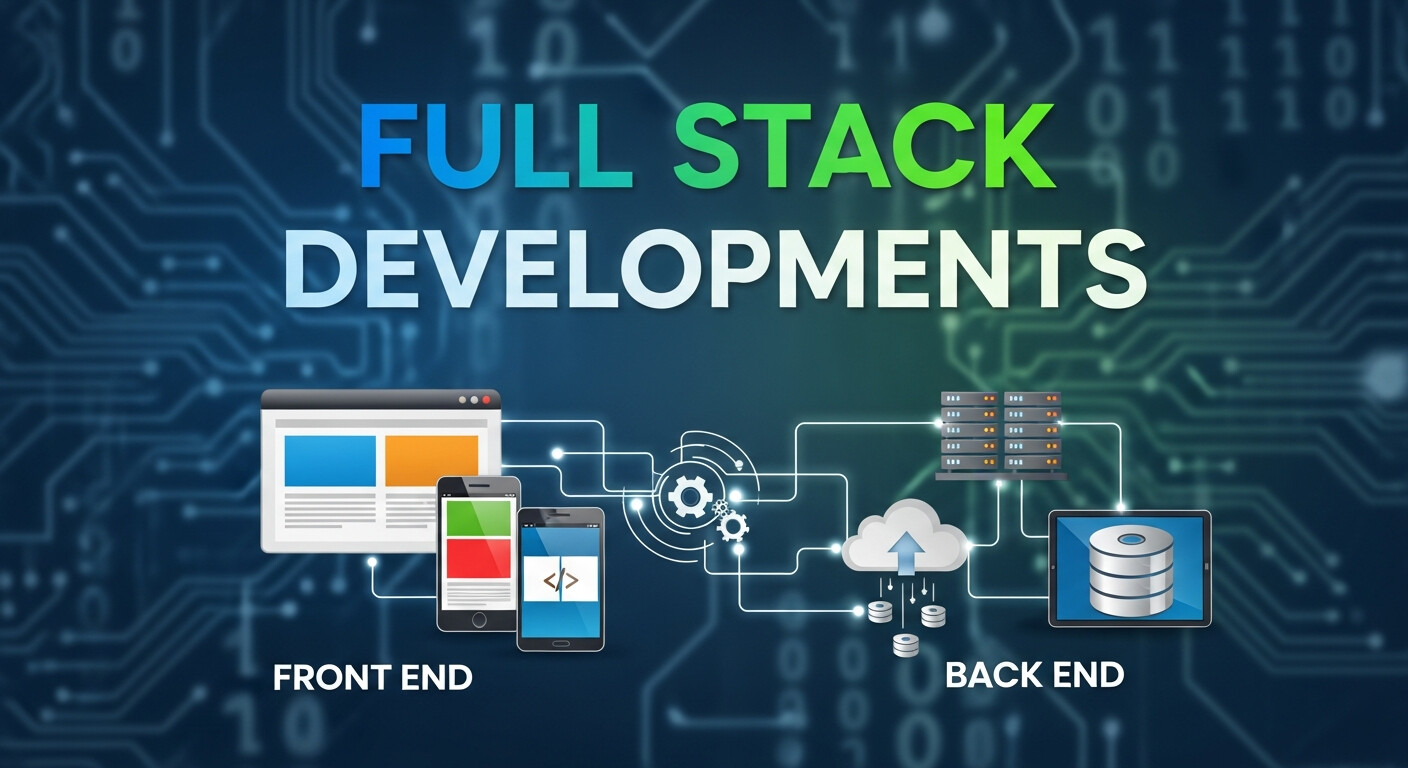
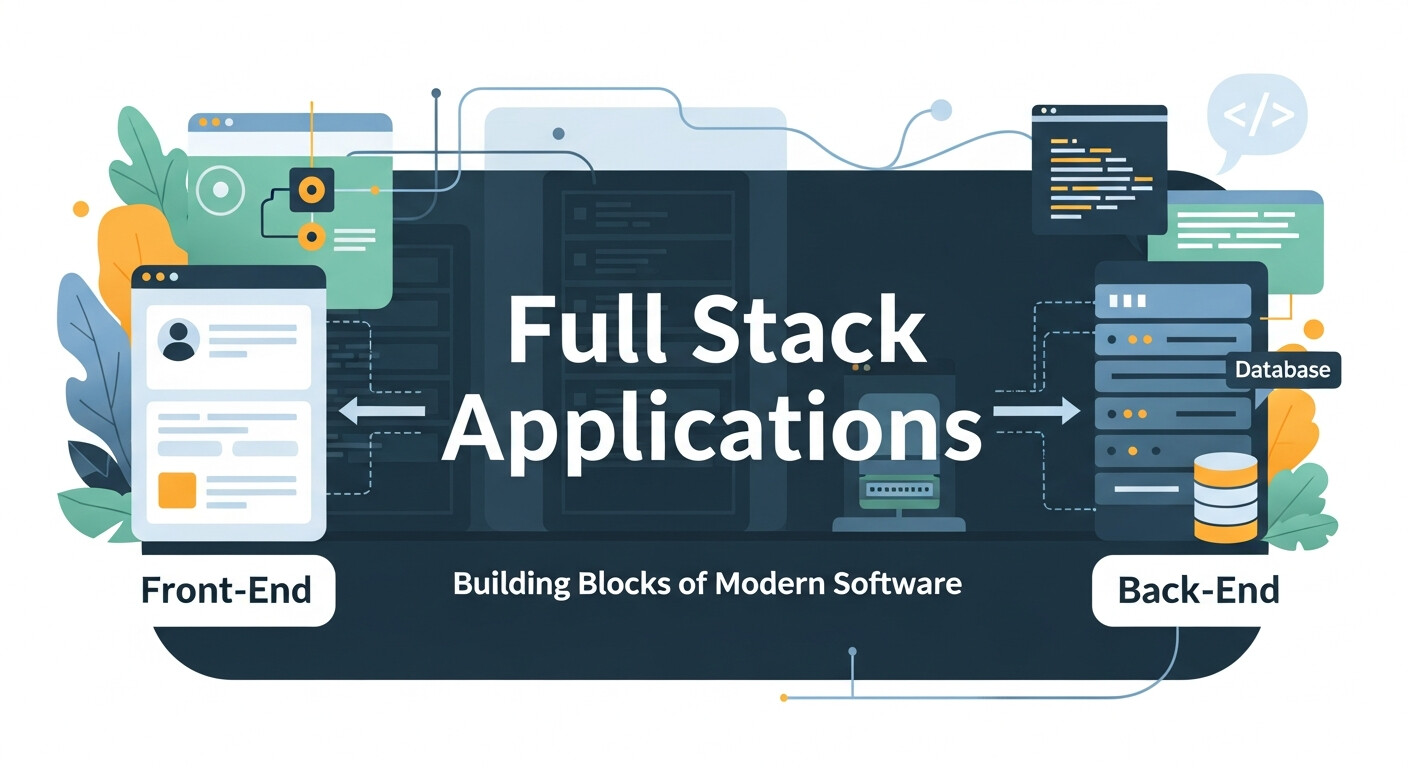
Full-stack development refers to working on both the front end and back end of web applications. A full-stack developer has the skills to handle everything from user interface design to server-side logic and database management.
Think of it like being a versatile chef who can handle every aspect of a restaurant kitchen. While some chefs specialize in pastries or grilling, a full-stack chef can prepare appetizers, main courses, and desserts with equal skill.
Frontend vs Backend: Understanding the Difference
The front end is what users see and interact with directly. This includes buttons, menus, forms, and visual elements. Frontend developers focus on creating smooth, responsive user experiences.
The backend handles the behind-the-scenes work. It manages databases, processes user requests, handles authentication, and ensures data flows correctly between different parts of the application.
Full-stack developers bridge these two worlds, understanding how frontend and backend components work together to create complete applications.
Essential Technologies for Full Stack Development
Frontend Technologies
HTML, CSS, and JavaScript form the foundation of front-end development. HTML structures content, CSS handles styling and layout, and JavaScript adds interactivity and dynamic behavior.
Frontend Frameworks like React, Vue.js, and Angular help developers build complex user interfaces more efficiently. These frameworks provide pre-built components and tools that speed up development.
CSS Frameworks such as Bootstrap, Tailwind CSS, and Bulma offer ready-made styling solutions. They help developers create responsive, professional-looking interfaces without writing everything from scratch.
Backend Technologies
Server-side languages include JavaScript (Node.js), Python, Java, PHP, Ruby, and C#. Each language has its strengths and is suited for different types of projects.
Web Frameworks like Express.js (Node.js), Django (Python), Spring (Java), and Laravel (PHP) provide structure for building robust backend applications.
Database Technologies are split into two main categories:
- SQL databases like MySQL, PostgreSQL, and SQLite use structured query language and work well for complex relationships
- NoSQL databases like MongoDB, Redis, and Cassandra offer flexibility for handling various data types
Development Tools and DevOps
Version Control with Git allows developers to track changes, collaborate with teams, and manage different versions of their code.
Cloud Services like AWS, Google Cloud, and Microsoft Azure provide hosting, storage, and deployment solutions for web applications.
Containerization tools like Docker help developers package applications with all their dependencies, making deployment more consistent and reliable.
Popular Full Stack Development Approaches
MEAN Stack
MongoDB, Express.js, Angular, and Node.js create a JavaScript-based development environment. This stack allows developers to use JavaScript throughout the entire application.
MERN Stack
Similar to MEAN, but uses React instead of Angular for the front end. Many developers prefer React’s component-based approach and larger ecosystem.
LAMP Stack
Linux, Apache, MySQL, and PHP represent one of the oldest and most established full-stack combinations. It remains popular for content management systems and traditional web applications.
Django + React
This combination pairs Python’s Django framework with React for the front end. It’s excellent for data-heavy applications and provides strong security features.
Full Stack Development in Real-World Projects
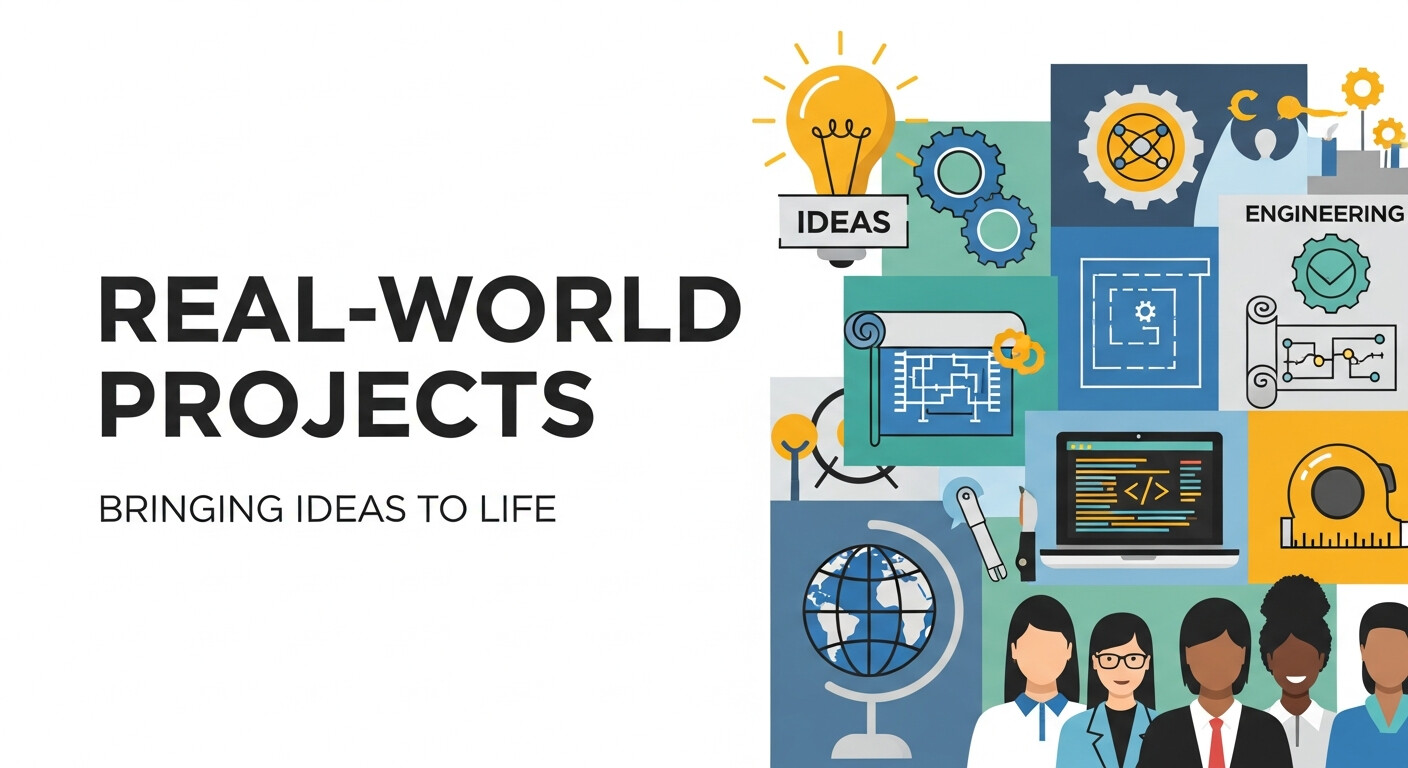
Full-stack development truly shines when applied to real-world projects. Beyond tutorials and sample apps, real projects introduce challenges like scalability, security, and performance optimization. Developers must coordinate frontend interfaces with backend APIs, handle database relationships, and ensure smooth user experiences across devices. Working on production-level Web Application Development helps developers understand how business requirements translate into technical solutions. It also teaches practical skills such as error handling, deployment, and maintenance. These experiences are critical for building confidence and preparing for professional roles. Real-world projects push full-stack developers to think holistically and solve problems across the entire application lifecycle.
Full Stack Development for Modern Business Solutions
Businesses increasingly rely on full-stack developers to build flexible and efficient digital solutions. From dashboards to customer portals, full-stack skills allow developers to deliver complete systems without depending on large teams. In many organizations, full-stack developers contribute to SaaS Development Services, where applications must support recurring users, data security, and continuous updates. Understanding both frontend usability and backend stability helps create products that scale smoothly as user demand grows. This versatility makes full-stack developers especially valuable in fast-paced business environments where speed, reliability, and adaptability are essential.
E-Commerce Opportunities for Full Stack Developers

E-commerce platforms offer significant opportunities for full-stack developers to apply their skills. Building online stores involves frontend design, backend logic, payment processing, and database management. Developers working with Shopify Web Development often customize themes, build private apps, and integrate third-party services to enhance functionality. These projects require an understanding of both user experience and server-side workflows. E-commerce development also teaches valuable skills such as performance optimization and security best practices. For developers interested in monetizable skills, e-commerce-focused full-stack projects can open doors to freelancing, agency work, and long-term client relationships.
Security Considerations in Full Stack Applications
Security is a critical responsibility for full-stack developers. Since they work across the entire application, they must understand vulnerabilities on both the frontend and backend. Common concerns include authentication, authorization, data validation, and protection against attacks such as SQL injection or cross-site scripting. Secure coding practices and regular updates help reduce risks. Full-stack developers also need to manage sensitive user data responsibly and follow industry standards. A strong focus on security not only protects users but also builds trust and credibility for applications in production environments.
How Full Stack Skills Improve Career Flexibility
One of the biggest advantages of full-stack development is career flexibility. Developers with end-to-end knowledge can transition between roles more easily than specialists. They can work in startups, enterprises, freelance projects, or remote teams. Full-stack skills also make it easier to adapt to new technologies as industry demands evolve. Because they understand the complete development process, full-stack developers can communicate effectively with designers, backend engineers, and stakeholders. This adaptability increases long-term career stability and opens pathways into leadership or architectural roles over time.
Skills Beyond Technical Knowledge
Problem-Solving and Debugging
Full-stack developers encounter issues across multiple layers of an application. Strong problem-solving skills help identify whether issues stem from frontend code, backend logic, database queries, or server configuration.
Communication and Collaboration
Full-stack developers often work with designers, product managers, and other developers. Clear communication helps ensure everyone understands requirements and technical constraints.
Project Management
Understanding how to break down complex projects into manageable tasks makes development more efficient. Many full-stack developers learn project management methodologies like Agile or Scrum.
Continuous Learning
Technology evolves rapidly. Successful full-stack developers stay current with new frameworks, tools, and best practices through online courses, documentation, and community resources.
Career Opportunities in Full Stack Development
Startup Environments
Startups often prefer full-stack developers who can wear multiple hats and work on different parts of the application as needed. These roles offer variety and the chance to influence product direction.
Enterprise Development
Large companies may have full-stack developers work on internal tools, customer-facing applications, or integration projects that connect different systems.
Freelancing and Consulting
Experienced full-stack developers can offer end-to-end web development services to clients. This path provides flexibility and the opportunity to work on diverse projects.
Technical Leadership
Senior full-stack developers often move into architecture roles, where they design system structures and guide technical decisions for development teams.
Getting Started with Full Stack Development
Choose Your Learning Path
Self-Directed Learning works well for motivated individuals. Free resources like freeCodeCamp, Mozilla Developer Network, and YouTube tutorials provide comprehensive coverage of full-stack concepts.
Bootcamps offer intensive, structured programs that can prepare you for entry-level positions in a few months. They provide hands-on projects and career support.
Computer Science Degrees provide strong theoretical foundations and are valuable for certain career paths, though they’re not strictly necessary for full-stack development.
Build a Learning Plan
Start with frontend basics: HTML, CSS, and JavaScript. Once comfortable with these, add a frontend framework like React or Vue.js.
Move to backend development by learning a server-side language and framework. Node.js works well if you want to stick with JavaScript initially.
Learn database basics with both SQL and NoSQL options. Understanding how to design efficient database schemas is crucial for backend development.
Practice version control with Git from the beginning. Even personal projects benefit from proper version control habits.
Create Portfolio Projects
Build applications that demonstrate your full-stack skills. A simple blog, task management app, or e-commerce site showcases your ability to work across the entire development stack.
Include projects that show different aspects of your skills: responsive design, user authentication, database integration, and API development.
Deploy your projects to platforms like Heroku, Netlify, or Vercel so potential employers can see working applications.
Common Challenges and How to Overcome Them
Avoiding the “Jack of All Trades” Trap
While full-stack developers work across many technologies, avoid spreading yourself too thin. Focus on becoming proficient in one stack before exploring others.
Staying Current with Technology
The web development landscape changes quickly. Follow industry blogs, join developer communities, and set aside time for regular learning to stay up-to-date.
Managing Complexity
Full-stack applications can become complex quickly. Learn to break down problems into smaller pieces and use design patterns that keep code organized and maintainable.
Your Next Steps in Full Stack Development
Full-stack development offers an exciting career path with numerous opportunities for growth and creativity. The combination of technical skills, problem-solving abilities, and continuous learning makes it both challenging and rewarding.
Start by choosing a technology stack that aligns with your interests and career goals. Focus on building strong fundamentals before moving to advanced topics. Most importantly, practice by building real projects that solve actual problems.
The journey to becoming a skilled full-stack developer takes time and dedication, but the versatility and opportunities it provides make it a valuable investment in your future.
Frequently Asked Questions (FAQ)
What does a full-stack developer do?
A full-stack developer works on both the frontend and backend of web applications. This includes designing user interfaces, writing server-side logic, managing databases, and ensuring all parts of an application work together smoothly.
Is full-stack development hard to learn?
Full-stack development can be challenging because it covers multiple technologies, but it’s absolutely learnable with consistent practice. Starting with strong fundamentals and progressing step by step makes the process manageable.
Do I need a computer science degree to become a full-stack developer?
No. While a computer science degree can be helpful, many successful full-stack developers are self-taught or trained through boot camps. Employers often prioritize skills, projects, and practical experience over formal education.
Which programming language is best for full-stack development?
There is no single “best” language. JavaScript is very popular because it can be used on both the frontend and backend with Node.js. Python, Java, PHP, and Ruby are also widely used depending on the stack.
How long does it take to become a full-stack developer?
The timeline varies based on learning pace and background. With consistent study and practice, many learners reach job-ready skills in 6–12 months. Mastery continues to develop over years of real-world experience.
What projects should I build for a full-stack portfolio?
Good portfolio projects include blogs, task management apps, authentication systems, e-commerce platforms, and APIs. Projects should demonstrate frontend design, backend logic, database usage, and deployment.
Are full-stack developers in demand?
Yes. Full-stack developers are highly valued because they can handle multiple parts of an application. Startups, agencies, and enterprises all actively hire full-stack professionals.
Can full-stack developers work as freelancers?
Absolutely. Full-stack developers are well-suited for freelancing because they can deliver complete solutions—from frontend design to backend functionality—without relying on large teams.
Should I learn multiple stacks at once?
It’s better to focus on one stack initially and become comfortable with it. Once you build confidence and experience, learning additional stacks becomes much easier.
What is the next step after learning full-stack basics?
After mastering the basics, focus on advanced topics like system design, performance optimization, security best practices, and testing. Contributing to real projects and collaborating with other developers also accelerates growth.