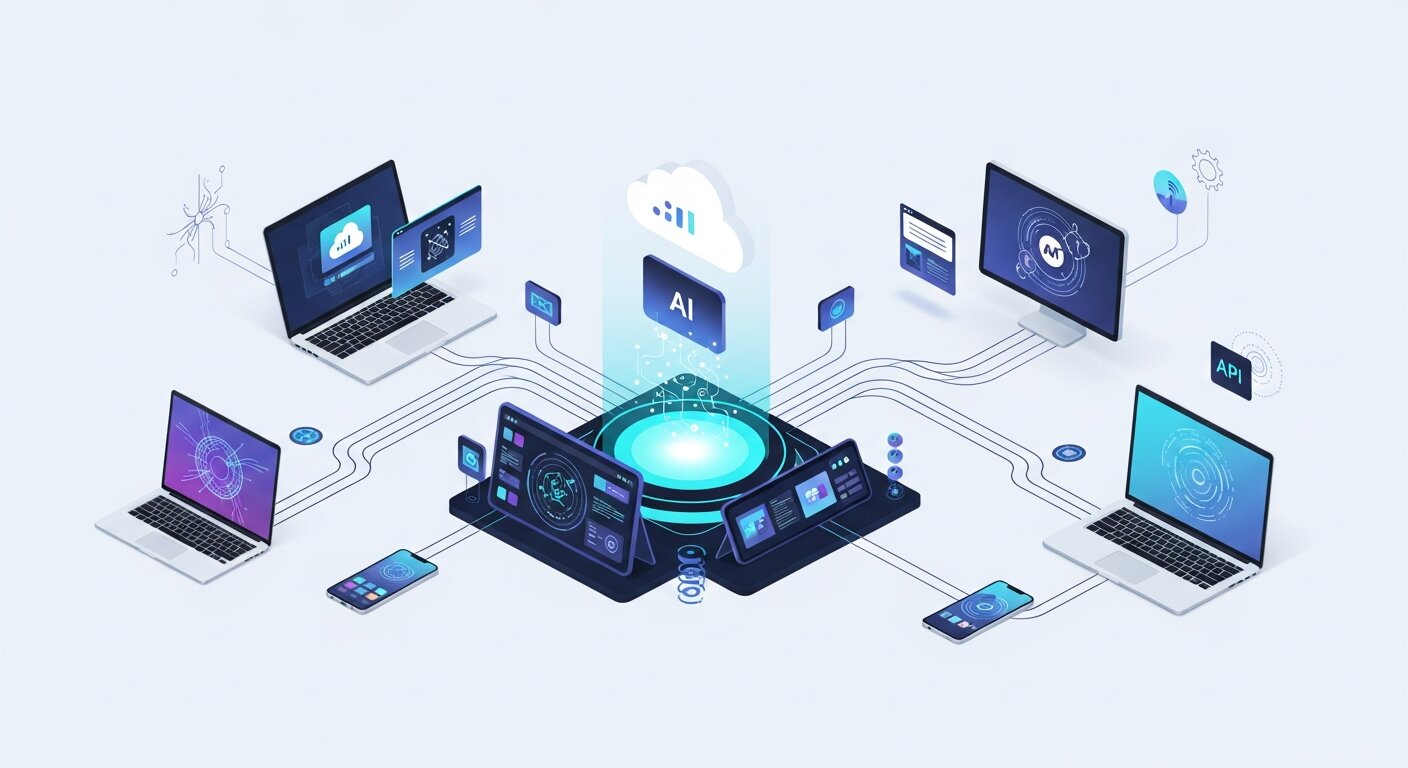
The internet runs on a complex system of interconnected software, protocols, and digital tools collectively known as web technology. Every time you open a browser, shop online, or stream a video, you are interacting with layers of code designed to deliver information quickly and securely.
Understanding web technology is no longer just for software engineers. Business owners, marketers, and digital creators need a solid grasp of how the internet works to build better user experiences and stay competitive. A website built on outdated architecture will struggle to rank on search engines, retain visitors, and convert leads.
This comprehensive guide breaks down the core components of the modern digital landscape. We will explore the tools developers use to build interactive websites, the shift toward cloud computing, and the emerging trends shaping the future of the internet. By the end of this post, you will have a clear understanding of the web technology ecosystem and how to leverage it for your own projects.
The Latest Web Technology Trends

The digital landscape shifts rapidly as developers find new ways to improve performance and user experience. Currently, the most prominent web technology trends focus on speed, accessibility, and artificial intelligence.
Voice search optimization has become a priority, as more users rely on smart speakers and mobile assistants to find information. Websites must now process natural language queries effectively. Additionally, dark mode standardization and motion UI are highly sought-after design trends. These visual enhancements reduce eye strain and provide intuitive navigation cues, making digital platforms much more pleasant to use.
Artificial intelligence also plays a massive role in current web technology. Chatbots, automated personalization, and AI-driven accessibility tools are becoming standard features on modern websites. These elements ensure that platforms cater to individual user needs instantly.
Modern Web Development Technologies
Building a website requires a sturdy foundation. Modern web development technologies revolve around the big three: HTML5, CSS3, and modern JavaScript (ES6+).
HTML5 structures the content, CSS3 styles it, and JavaScript adds interactivity. However, modern development goes far beyond these basics. Developers now utilize powerful package managers like npm and module bundlers like Webpack or Vite. These tools optimize code, manage dependencies, and ensure that websites load instantly on any device.
Front-End and Back-End Web Technologies
Web technology is generally split into two distinct areas: the front-end and the back-end.
The front-end, or client-side, is everything the user sees and interacts with. Front-end web technologies focus on layout, design, and user interface. Developers use tools like HTML, CSS, and JavaScript to build visually appealing and highly responsive interfaces.
The back-end, or server-side, operates behind the scenes. It consists of the server, the database, and the application logic. Back-end web technologies include programming languages like Python, Ruby, PHP, and Java, as well as database management systems like MySQL, PostgreSQL, and MongoDB. The back-end ensures that data flows seamlessly to the front-end so users can log in, submit forms, and make purchases safely.
Responsive Web Design Technologies
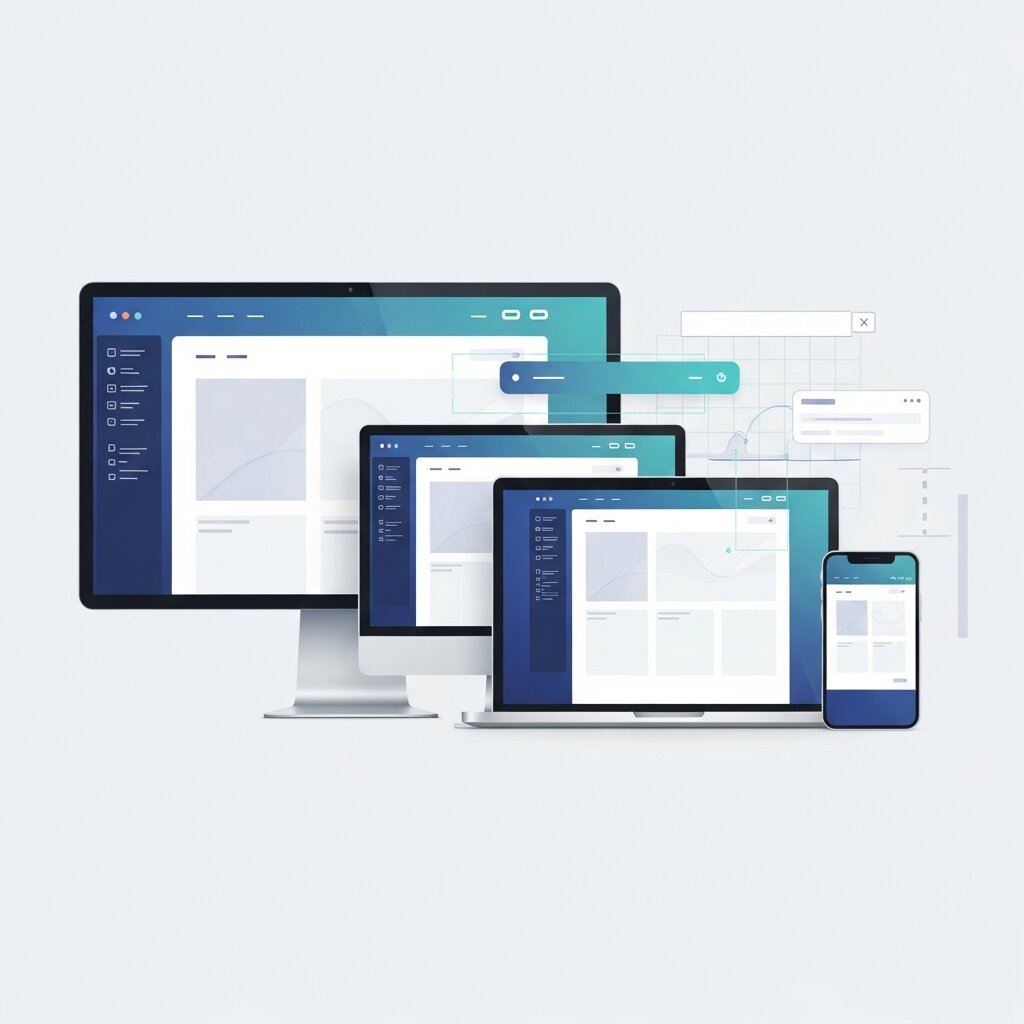
Users access the internet on smartphones, tablets, laptops, and massive desktop monitors. Responsive web design ensures websites automatically adapt to different screen sizes. You can explore advanced methods in responsive web design techniques and tips. This approach improves usability, engagement, and search engine rankings.
CSS Grid and Flexbox are the primary layout models developers use to create flexible, adaptive designs. Instead of building separate websites for mobile and desktop, developers use CSS media queries to apply different styles based on the device’s screen width. This fluid approach improves the user experience and boosts search engine rankings, as Google heavily favors mobile-friendly websites.
Web Development Frameworks and Tools
Writing code from scratch is time-consuming and prone to errors. To speed up the process, developers rely on web development frameworks and tools. A framework provides a pre-built structure, allowing engineers to focus on custom features rather than repetitive boilerplate code.
For front-end development, popular frameworks include React, Angular, and Vue.js. These tools make it easy to build dynamic, interactive user interfaces. On the back-end, frameworks like Django (Python), Laravel (PHP), and Express (Node.js) provide robust architectures for routing, database management, and security.
Version control systems like Git and collaboration platforms like GitHub are also essential web technology tools. They allow multiple developers to work on the same project simultaneously without overwriting each other’s code.
Cloud-Based Web Technologies
Hosting websites on local servers is largely a thing of the past. Cloud-based web technologies have revolutionized how applications are deployed, scaled, and managed.
Providers like Amazon Web Services (AWS), Google Cloud Platform, and Microsoft Azure offer scalable infrastructure on demand. This means a website can automatically allocate more server resources during traffic spikes and scale down during quiet periods, saving money and preventing crashes.
Serverless computing is another major cloud trend. With serverless architecture, developers write and deploy code without worrying about managing the underlying servers. The cloud provider handles the infrastructure, allowing teams to focus purely on building great products.
JavaScript Web Technologies and Libraries

JavaScript is the undisputed king of web interactivity. Over the years, a massive ecosystem of JavaScript web technologies and libraries has emerged to support developers.
A library is a collection of pre-written code snippets that perform specific tasks. jQuery was once the dominant library, but today, developers lean toward modular libraries like React (technically a UI library, though often called a framework) and D3.js for data visualization.
Node.js transformed JavaScript by allowing it to run on the back-end. This means developers can use a single programming language across the entire web application, streamlining the development process and improving team collaboration.
Progressive Web App (PWA) Technology
Users love the speed and offline capabilities of native mobile apps, but downloading them from an app store creates friction. Progressive web app (PWA) technology bridges this gap.
PWAs are standard websites that function like native applications. They use modern web technology features called service workers to cache resources, allowing the app to load instantly and even function without an internet connection. PWAs can send push notifications, access device hardware, and be saved directly to a user’s home screen. Major brands like Twitter and Pinterest use PWAs to dramatically increase user engagement and retention.
Web Application Development Technologies
While standard websites primarily display informational content, web applications allow users to perform complex tasks. Think of Gmail, Trello, or Google Docs.
Web application development technologies rely heavily on Single Page Application (SPA) architecture. In an SPA, the browser loads a single HTML page and dynamically updates the content as the user interacts with it, rather than loading a completely new page for every click. This creates a fast, fluid experience. Developers use RESTful APIs or GraphQL to facilitate smooth communication between the fast-moving front-end and the secure back-end database.
Emerging Technologies in Web Development
The future of web technology is incredibly exciting. Several emerging technologies in web development are poised to change how we interact with digital spaces.
WebAssembly (Wasm) is a breakthrough that allows high-performance languages like C++ and Rust to run directly in the web browser. This enables complex applications, such as video editors and 3D games, to operate smoothly on the web without plugins.
Web3 and blockchain technologies are introducing decentralized applications (dApps). These applications do not rely on a central server, offering users more control over their data and privacy.
Finally, AI coding assistants are drastically accelerating the development cycle. Tools like GitHub Copilot help developers write secure code faster, allowing teams to build complex web technology solutions in record time.
At the same time, developers must also focus on security as applications become more complex. A strong foundation in securing web applications is now essential for any modern project.
Frequently Asked Questions
What is web technology?
Web technology refers to the tools, languages, and frameworks used to create, deliver, and manage websites and web applications on the internet.
Why is web technology important?
It forms the backbone of the digital economy. Every online business, social network, and digital service relies on web technology to function, communicate, and serve users securely.
What is the difference between front-end and back-end?
Front-end technology handles what the user sees and interacts with (design, layout, buttons). Back-end technology handles the server, database, and logic that powers the site behind the scenes.
Which web technology is best for beginners?
HTML, CSS, and basic JavaScript are the best starting points. They form the core structure of the web and are essential before learning advanced frameworks.
What is responsive web design?
Responsive design is an approach that ensures a website adapts its layout and elements to fit perfectly on any screen size, from a mobile phone to a large desktop monitor.
How does cloud computing affect web technology?
Cloud computing provides flexible, scalable hosting and infrastructure. It allows websites to handle traffic spikes easily and reduces the need for companies to maintain physical servers.
What are Progressive Web Apps (PWAs)?
PWAs are websites built with modern web technologies that offer an app-like experience. They load quickly, can work offline, and allow push notifications without needing an app store download.
Why is JavaScript so popular?
JavaScript is the only language that runs natively in web browsers for interactivity. Its versatility expanded further with Node.js, allowing it to be used for server-side development as well.
What is a web framework?
A web framework is a pre-written collection of code and tools that provides a standard way to build and deploy web applications quickly, saving developers from writing basic logic from scratch.
What are emerging web technologies?
Emerging technologies include WebAssembly for high-performance browsing, Web3 for decentralized apps, and AI integrations for automated development and user personalization.
How do APIs work in web development?
APIs (Application Programming Interfaces) allow different software systems to communicate. In web development, APIs let a website retrieve data from a server or third-party service, like loading a weather forecast.
What is the role of HTML and CSS?
HTML (HyperText Markup Language) structures the content on a web page, such as text and images. CSS (Cascading Style Sheets) controls the visual presentation, including colors, fonts, and layouts.
Can web technology improve site security?
Yes. Modern web technology includes HTTPS protocols, secure authentication frameworks, and advanced encryption methods to protect user data from cyber threats.
What is a Single Page Application (SPA)?
An SPA is a web application that loads a single web page and dynamically updates the content as the user interacts, providing a faster and more fluid experience than traditional multi-page sites.
How do I stay updated with web technology trends?
You can stay updated by following industry blogs, participating in developer communities like Stack Overflow or GitHub, and experimenting with new frameworks as they are released.
Next Steps in Your Web Development Journey
The world of Web Technology is vast, dynamic, and constantly evolving, offering endless opportunities for anyone willing to learn and adapt. Whether you are building a simple personal blog, an eCommerce store, or a complex cloud-hosted progressive web application, modern Web Technology provides powerful tools and frameworks that make development faster, more scalable, and highly efficient.
To move forward effectively, start by mastering the core foundations of modern web development—HTML, CSS, and JavaScript. These basics form the backbone of Web Technology and are essential before advancing into more complex areas. Once you are comfortable, explore popular frameworks like React, Vue, or Angular, along with back-end technologies and cloud infrastructure that power real-world applications.
It’s also important to stay updated with emerging trends in Web Technology, such as WebAssembly, AI-driven development tools, serverless architecture, and progressive web apps. These innovations are shaping the future of how websites and applications are built and experienced.
By continuously learning, practicing, and experimenting with new tools and concepts, you can fully leverage Web Technology to create fast, secure, scalable, and highly engaging digital experiences that stand out in today’s competitive online world.