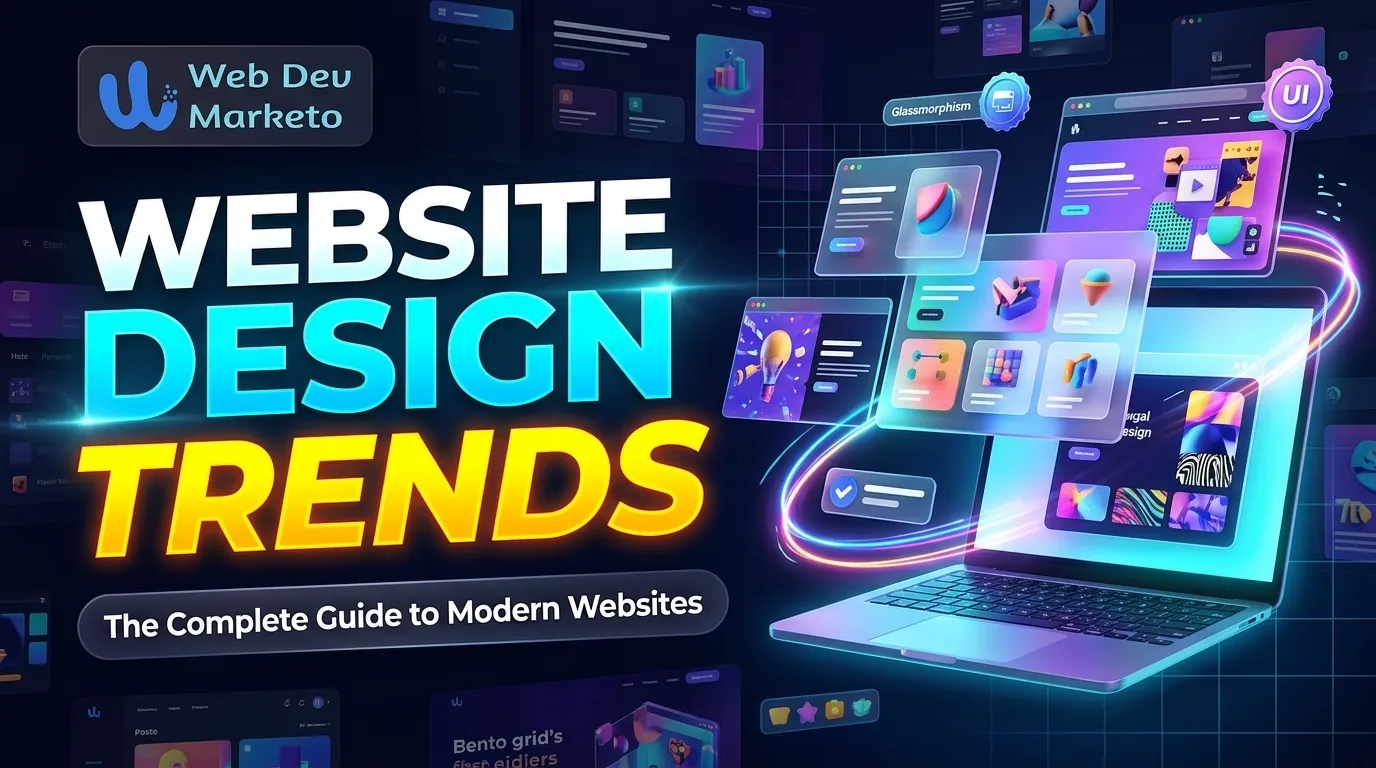
Website design continues to evolve as technology, user expectations, and digital marketing strategies change. Modern websites need to be visually appealing, responsive, accessible, and easy to navigate. From minimalist layouts and AI-powered tools to interactive elements and personalized user experiences, the latest website design trends help businesses create stronger online experiences. Understanding these trends allows brands to improve engagement, build trust, and support their long-term digital growth.
Latest Website Design Trends
The latest website design trends focus on combining attractive visuals with functionality, accessibility, and performance. Businesses are moving beyond traditional layouts to create digital experiences that feel intuitive, engaging, and relevant to their audiences. Modern typography, thoughtful animations, immersive visuals, and content-driven layouts are becoming important parts of contemporary websites. These elements help brands communicate their messages clearly while making browsing more enjoyable.
Another important development is the growing emphasis on purpose-driven design. Instead of adding visual effects simply to make a website look impressive, designers are choosing features that support specific business goals. For example, an online store might use high-quality product images and streamlined checkout pages, while a service-based business might prioritize clear calls to action and informative landing pages. Exploring the latest website design trends alongside modern e-commerce development practices can help businesses understand how design choices influence online shopping experiences.
Performance and accessibility are also essential considerations. Visitors expect websites to load quickly, display correctly across devices, and provide readable content. A successful website design strategy balances creativity with practical requirements, ensuring that the website looks professional without sacrificing usability.
Modern Web Design Ideas
Modern web design ideas are centered on clarity, consistency, and meaningful visual storytelling. Designers increasingly use generous white space, expressive typography, structured layouts, and carefully selected color palettes to guide visitors through a website. These techniques make content easier to understand and allow important information to stand out naturally.
Visual hierarchy plays a major role in effective website design. Headlines should communicate the primary message, supporting text should explain the value, and buttons should make the next step clear. When these elements work together, visitors can understand a business’s offering without unnecessary effort. Custom illustrations, authentic photography, subtle gradients, and distinctive brand elements can further strengthen a website’s identity.
Modern websites should also reflect the needs of their target audiences. A professional services website may benefit from a clean layout that emphasizes credibility, while a creative portfolio might use bold visuals and unconventional compositions. Businesses selling products online can combine attractive design with practical shopping features. For additional inspiration, consider how e-commerce web development connects storefront design, product presentation, and a smooth customer journey.
Responsive Website Design Trends
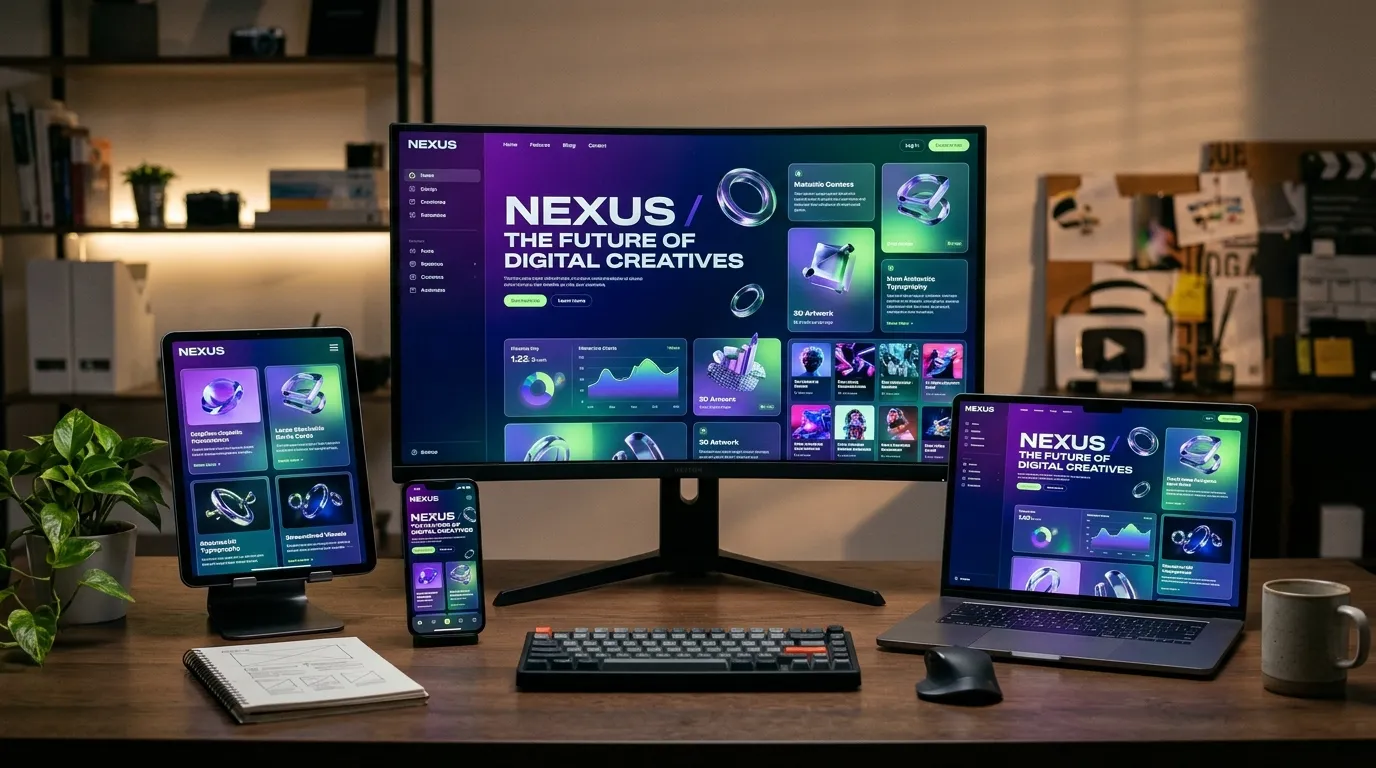 Responsive website design ensures that a website adapts to different screen sizes, including smartphones, tablets, laptops, and desktop computers. Since visitors access websites from a wide range of devices, flexible layouts are essential for delivering a consistent experience. Modern responsive design uses fluid grids, flexible images, scalable typography, and breakpoints that allow page elements to rearrange naturally.
Designers are increasingly adopting a mobile-first approach, which means planning the experience for smaller screens before expanding it for larger displays. This encourages teams to prioritize essential content, simplify navigation, and remove unnecessary distractions. Features such as collapsible menus, touch-friendly buttons, and appropriately sized form fields make websites easier to use on mobile devices.
Responsive design also supports search engine optimization because it helps search engines discover and understand content across different devices. However, responsiveness alone does not guarantee success. Websites must also load efficiently, maintain readable text, and provide accessible navigation. Regular testing on real devices and different browsers helps identify layout problems before they affect visitors.
For businesses with online stores, responsive layouts are particularly important because customers may research products on a phone and complete purchases on another device. A consistent experience can reduce frustration, strengthen trust, and improve the likelihood of conversion.
Minimalist Web Design
Minimalist web design uses simplicity to make websites more focused and easier to navigate. Rather than filling every section with decorative graphics, competing colors, and excessive text, minimalist layouts emphasize essential content. White space, limited color palettes, clean typography, and straightforward navigation help visitors concentrate on the information that matters most.
Minimalism does not mean removing every creative element. Instead, it involves making deliberate decisions about which elements deserve attention. A strong headline, a relevant image, and a clear call to action can communicate more effectively than a crowded page containing multiple competing messages. This approach is particularly useful for businesses that want to present a professional and trustworthy image.
Another advantage is that simpler layouts can be easier to maintain and optimize. Fewer unnecessary elements may reduce page complexity, although actual loading speed still depends on image sizes, scripts, fonts, and other technical factors. Designers should therefore combine minimalist aesthetics with performance optimization rather than assuming that a simple appearance automatically produces a fast website.
The most effective minimalist websites preserve personality while removing distractions. Consistent branding, carefully chosen imagery, and well-organized content can create an elegant experience that feels both modern and functional.
User Experience (UX) Design Trends
User experience design focuses on how people interact with a website and whether they can accomplish their goals easily. Modern UX design emphasizes intuitive navigation, accessible interfaces, clear communication, and predictable interactions. A website should help visitors find information, compare options, contact a business, or complete a purchase without unnecessary confusion.
One important UX trend is reducing friction throughout the customer journey. Shorter forms, descriptive button labels, helpful error messages, and visible progress indicators can make interactions feel more straightforward. Personalization can also improve usability when it presents relevant information without making visitors feel overwhelmed or compromising their privacy.
Accessibility is another essential part of user experience. Designers should consider keyboard navigation, sufficient color contrast, descriptive alternative text for meaningful images, and clear labels for interactive controls. These practices help people with different abilities use a website and often improve usability for everyone.
UX design also connects closely with marketing activities. For example, businesses using automated campaigns need landing pages that deliver on the promises made in emails or advertisements. Integrating website experiences with marketing automation and CRM integration can help organizations coordinate customer information, personalize communications, and create more consistent journeys across digital channels.
AI-Powered Web Design
Artificial intelligence is changing how designers plan, build, and optimize websites. AI-powered tools can assist with generating layout ideas, creating draft content, suggesting color combinations, producing visual assets, and identifying potential usability improvements. These capabilities can speed up repetitive tasks and help teams explore different design directions more efficiently.
AI can also support personalization by helping websites display relevant recommendations, content, or product suggestions based on appropriate user signals. For e-commerce businesses, this may mean highlighting related products or making product discovery easier. Customer support chatbots can answer common questions, guide visitors toward useful resources, and provide assistance outside regular business hours.
However, AI-generated results still require human judgment. Automatically generated content may contain inaccuracies, repetitive language, accessibility problems, or design choices that do not match a brand’s identity. Designers should review outputs carefully and ensure that personal information is handled responsibly. Human creativity, strategic thinking, and empathy remain essential to building meaningful digital experiences.
The best approach is to treat AI as a supporting tool rather than a complete replacement for professional design. Combining automation with thoughtful human oversight can improve efficiency while preserving originality, quality, and customer trust.
Mobile-Friendly Website Design
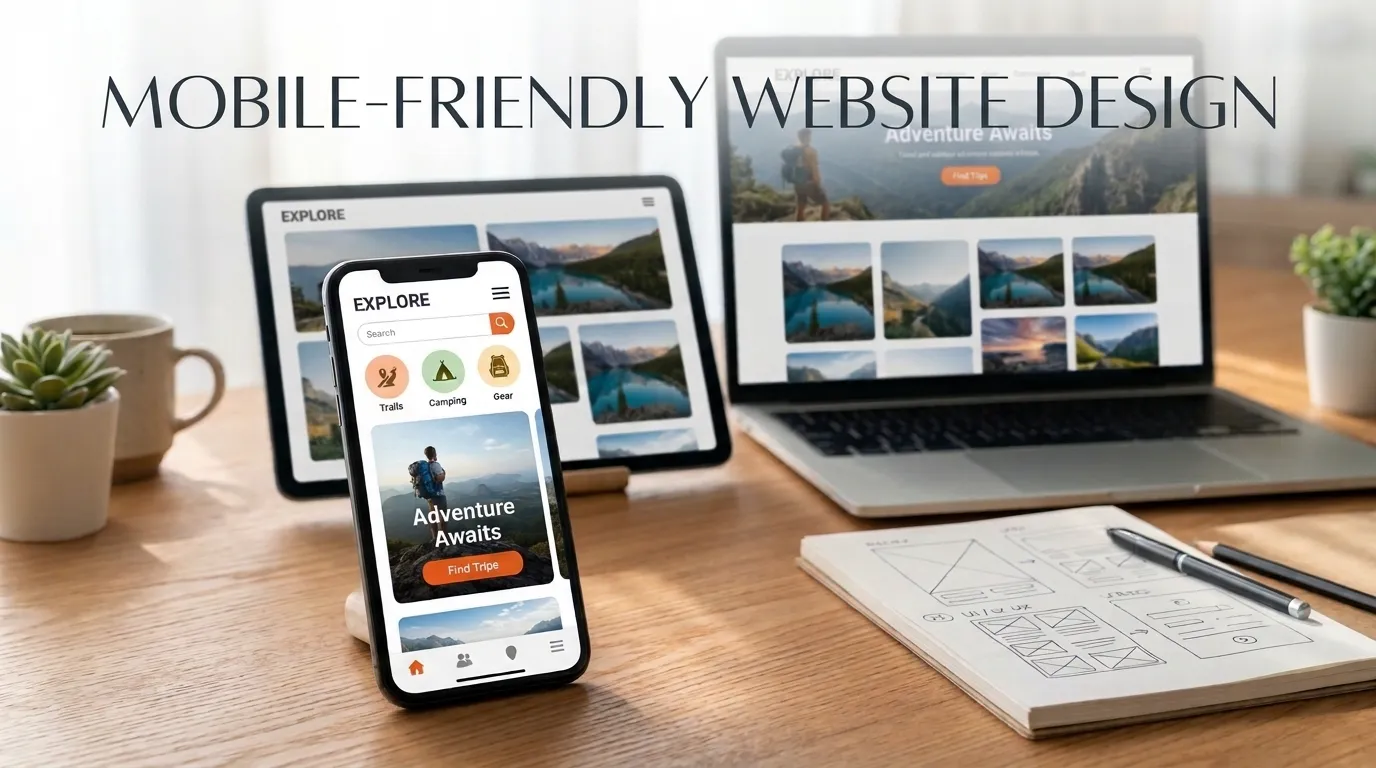 Mobile-friendly website design prioritizes the needs of people browsing on smartphones and other small-screen devices. While responsive design ensures that layouts adapt to different screen sizes, mobile-friendly design also considers how people interact with those layouts. Navigation, reading comfort, touch controls, and loading performance all influence the mobile experience.
Readable typography and properly spaced buttons make content easier to use on smaller screens. Navigation menus should remain simple, important information should appear without excessive scrolling, and forms should require only necessary details. Images and videos must fit the available space without slowing down the page or obscuring important content.
Mobile performance deserves particular attention because users may rely on slower connections or less powerful devices. Optimized images, efficient scripts, browser caching, and lightweight page structures can help improve loading times. Developers should also test interactive features, payment flows, and forms on actual mobile devices rather than relying exclusively on desktop previews.
A strong mobile experience benefits many types of businesses, from service providers to online retailers. When customers can research products, read reviews, compare options, and complete transactions comfortably on a phone, the website becomes a more useful part of the overall customer journey.
Website Design Best Practices
Effective website design begins with clear objectives and a strong understanding of the target audience. Before choosing colors, layouts, or animations, businesses should determine what visitors need to accomplish. These goals might include learning about a service, requesting a quotation, subscribing to a newsletter, or purchasing a product. Design decisions should support those outcomes.
Consistency is another important best practice. Typography, spacing, button styles, colors, and navigation patterns should work together across the website. A consistent design system makes pages easier to maintain and helps visitors recognize important interface elements. Content should also be organized into logical sections with descriptive headings and concise explanations.
Technical quality is equally important. Websites should use secure connections, optimize images, minimize unnecessary scripts, and follow accessibility guidelines. Search engine optimization should be considered during development, including descriptive page titles, useful meta descriptions, meaningful URLs, and a logical heading structure. Performance should be monitored using appropriate tools, with attention to Core Web Vitals and real user behavior.
Businesses should also evaluate how their websites support wider marketing strategies. For instance, clear landing pages can strengthen webinar campaigns, while relevant follow-up experiences can help convert interested visitors into leads. A well-planned webinar marketing goals and strategy can complement website design by aligning registration pages, promotional content, and post-event engagement with measurable business objectives.
Interactive Web Design Elements
Interactive web design elements encourage visitors to engage with content instead of simply viewing a static page. Examples include hover effects, animated transitions, expandable FAQs, interactive product galleries, calculators, quizzes, and scroll-based storytelling. When used thoughtfully, these features can make information easier to explore and create a more memorable experience.
Microinteractions are especially useful because they provide small signals in response to user actions. A button might change appearance when clicked, a form might confirm successful submission, or a shopping cart might update immediately after an item is added. These subtle responses help visitors understand what is happening and whether their actions have worked.
Interactive features should always serve a clear purpose. Excessive animation, autoplaying media, intrusive pop-ups, and complicated effects can distract users or make a website slower. Designers should also consider reduced-motion preferences, keyboard accessibility, and touch-based interactions. Important content must remain available even when animations or optional interactive features are disabled.
Interactive experiences can support marketing goals, too. Video content, for example, can communicate product benefits, demonstrate services, and explain complex ideas. Measuring its effectiveness through relevant video marketing KPIs and metrics helps businesses understand whether their visual content attracts attention, encourages engagement, and contributes to conversions.
Future of Web Design
 The future of web design will likely be shaped by advances in artificial intelligence, accessibility, personalization, immersive technology, and performance optimization. Websites will continue to become more adaptive, with interfaces that respond to user needs while maintaining clear and consistent experiences. AI-assisted workflows may make prototyping and testing faster, allowing design teams to spend more time on strategy and creative problem-solving.
Accessibility and privacy will remain central concerns. Businesses will need to make digital experiences usable for diverse audiences while being transparent about how customer information is collected and used. Fast-loading pages, efficient media, and sustainable development practices may also become more important as organizations seek to reduce unnecessary resource consumption.
Another potential development is deeper integration between websites and connected marketing systems. Websites may increasingly work alongside customer relationship management platforms, automated communication tools, analytics systems, and personalized content experiences. These integrations can help businesses understand customer needs and provide more consistent interactions across channels.
Ultimately, the future of web design is not simply about adopting every new technology. It is about choosing innovations that improve usability, accessibility, credibility, and measurable business outcomes. Organizations that balance emerging tools with strong design fundamentals will be better prepared to adapt as user expectations evolve.
Conclusion
Website design trends continue to evolve as technology advances and user expectations change. From minimalist layouts and responsive design to AI-powered tools and interactive elements, modern websites must balance visual appeal with functionality, accessibility, and performance. Businesses should focus on creating user-friendly experiences that work seamlessly across devices and support their marketing goals. By following the latest web design trends and regularly improving website performance, businesses can build trust, increase engagement, and stay competitive in the digital world. Ultimately, successful web design is not just about appearance; it is about delivering value to visitors and creating meaningful online experiences.
FAQ
1. What are the latest website design trends?
Current website design trends include minimalist layouts, responsive interfaces, AI-assisted design, personalized experiences, interactive elements, accessible interfaces, and performance-focused development. The best choices depend on a website’s audience, purpose, and business goals.
2. Why is responsive website design important?
Responsive website design allows a website to adapt to different screen sizes and devices. It improves usability, supports consistent content presentation, and helps visitors navigate the website whether they use a smartphone, tablet, or desktop computer.
3. What is minimalist web design?
Minimalist web design focuses on essential content, simple navigation, clean typography, and purposeful use of white space. It reduces visual distractions and helps visitors understand important information more easily.
4. How does UX design improve website performance?
UX design helps visitors complete tasks with less confusion by improving navigation, accessibility, content structure, and interaction patterns. A better user experience can support engagement and conversions, although results depend on the audience and overall website quality.
5. How is AI changing web design?
AI tools can help generate design concepts, draft content, create visual assets, support personalization, and automate repetitive tasks. Human review remains necessary to maintain accuracy, accessibility, originality, and brand consistency.
6. What makes a website mobile-friendly?
A mobile-friendly website offers readable text, touch-friendly controls, simple navigation, optimized media, fast loading, and forms that work comfortably on smaller screens. Testing on real devices helps identify potential usability issues.
7. What are the most important website design best practices?
Important best practices include understanding the target audience, maintaining consistent branding, using clear navigation, optimizing loading speed, following accessibility guidelines, protecting user data, and applying SEO fundamentals.
8. Do interactive website elements improve engagement?
Interactive elements can encourage engagement when they help visitors explore information or complete tasks. However, excessive animation and unnecessary effects may distract users, reduce performance, and create accessibility barriers.
9. How often should a website design be updated?
There is no fixed schedule for redesigning a website. Businesses should regularly review usability, performance, security, content accuracy, accessibility, and conversion data. Smaller improvements can be made continuously, while a larger redesign may be appropriate when business goals or user expectations change significantly.
10. What will website design look like in the future?
Future website design will likely emphasize AI-assisted workflows, accessible experiences, thoughtful personalization, improved performance, privacy-conscious features, and closer integration with digital marketing systems. Successful websites will prioritize useful experiences over technology used merely for novelty.