The intersection of web development and marketing is where creativity meets functionality. While marketing strategies are the driving force behind attracting potential customers, web development ensures that your website acts as a seamless and engaging platform to convert visitors into leads or customers. But how does web development specifically amplify marketing efforts? This blog breaks it down and shows how the two go hand in hand.
Whether you’re a digital marketer, entrepreneur, or marketer curious about the role of web development, this guide will explore actionable insights on optimizing your website for marketing success. Let’s decode how a strategically developed website can be your strongest marketing asset.
Why Your Website Is a Marketing Powerhouse
Your website is more than just a digital business card; it’s often the first point of interaction between your audience and your brand. According to studies, users form an opinion about a website in just 0.05 seconds. This brief moment highlights the importance of combining technical development with strong marketing strategies to make a lasting impression.
Key website features that influence marketing success:
- User Experience (UX): Smooth navigation and quick load times keep users engaged.
- Search Engine Optimization (SEO): A well-optimized site helps customers find you easily.
- Responsive Design: Mobile-friendly websites expand your audience’s reach.
- Call-to-Action Buttons (CTAs): Strategically placed CTAs guide users to take action, such as signing up for emails or making a purchase.
Web Development Tactics to Boost Marketing
Here are five essential ways web development supports your marketing efforts:
1. Speed Optimizations for Better Conversions
Page load speed is vital for user satisfaction and SEO. Slow websites can push visitors away, with 53% of users bouncing from sites that take longer than three seconds to load.
- Web Development Tip: Minimize file sizes by compressing images and enabling browser caching. Tools like Google PageSpeed Insights can help identify bottlenecks. A faster site can directly lead to higher engagement and conversions.
2. SEO-Friendly Structure
Search engines favor websites that follow specific structural guidelines. Web developers play an enormous role in ensuring that:
- URLs are clean and descriptive.
- Metadata (titles, alt texts, descriptions) aligns with targeted keywords.
- The site uses Schema Markup to define its content for search engines.
SEO-friendly web development creates a foundation for long-term marketing success; it drives organic search traffic to your site and improves its ranking on platforms like Google.
3. Mobile-First Development Matters
Did you know that over 60% of web traffic now comes from mobile users? If your website doesn’t provide a seamless mobile experience, you’re leaving serious marketing opportunities on the table.
- Web Development Tip: Use responsive frameworks, like Bootstrap, to ensure your layout adapts to all screen sizes.
Mobile optimization boosts your marketing campaigns by making them accessible to more users, whether you’re running ads or email campaigns.
4. Custom Landing Pages for Campaigns
Every successful marketing campaign deserves a targeted landing page. Unlike generic pages, landing pages are tailored toward a specific audience and optimized for high-conversion offers like free trials, downloads, or sales.
For web developers, this means:
- A/B testing different layouts to optimize conversions.
- Including visually engaging CTAs.
- Minimizing distractions with sleek, focused designs.
Marketing teams can then use these pages for targeted campaigns, improving the ROI of efforts like pay-per-click (PPC) ads and email promotions.
5. Analytics Integration for Smarter Decisions
Many marketing insights begin and end in analytics tools. However, effective data tracking requires proper integration during web development.
Ensure your site includes:
- Google Analytics and Search Console integrations to track traffic and keywords.
- Event tracking for user actions, such as form submissions or downloads.
- Heatmaps to understand user behavior on your site.
These insights allow marketing teams to adjust strategies accordingly, ensuring campaigns are aligned with user preferences.
Marketing Enhancements Through Web Development
While strong web development is essential, certain advanced elements can take your marketing to the next level.
Interactive Features
Users love engaging content. Leverage interactive features like chatbots, calculators, or quizzes to enhance the user experience. Interactive elements aren’t just engaging; they can function as lead-generation tools.
For instance:
- A financial planning website could feature a savings calculator.
- A beauty brand might offer a skin type quiz with suggestions for relevant products.
Dynamic Content
Dynamic websites that deliver tailored content based on user behavior consistently outperform static sites. By using web development technologies like PHP, .NET, or React, you can create experiences where users see recommendations or content personalized for them.
For example:
- Visitors who browse winter jackets are shown promotions for winter accessories.
- Customers returning to the site see a “Welcome back” banner and tailored recommendations based on past purchases.
The rise of personalization and dynamic content makes every visit to your website feel uniquely curated, improving engagement rates.
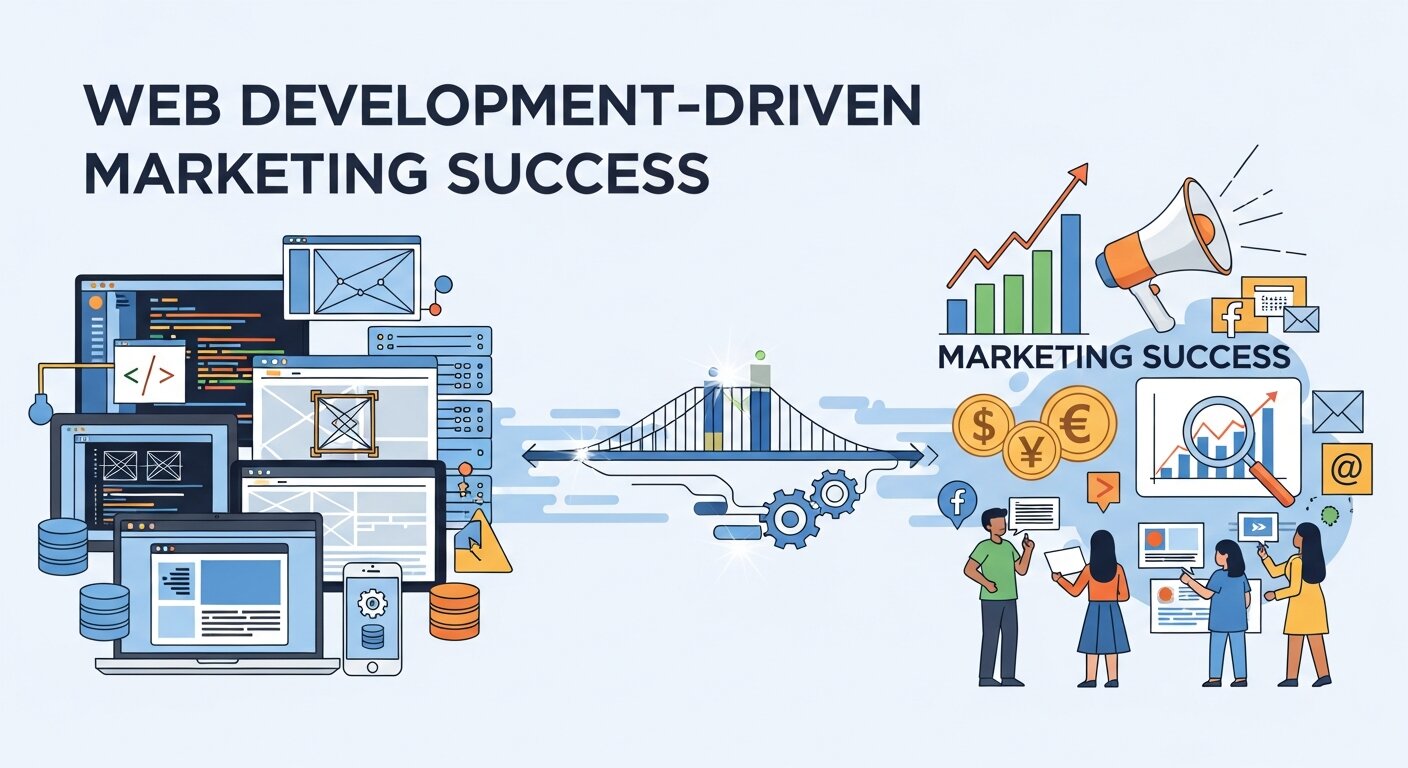
Real-Life Examples of Web Development-Driven Marketing Success
Case Study 1: [E-Commerce Business Drives 40% Higher Sales]
An online retailer integrated advanced search functionality into their site. By allowing users to search by categories like price, style, and material, their UX improved. This small tweak resulted in a 40% increase in website sales.
Case Study 2: [Restaurant Boosts Reservations Through Mobile Optimization]
A local restaurant noticed most of its bookings came from mobile users. By redesigning their mobile site for easier navigation and one-click table reservations, foot traffic doubled within six months.
These examples reinforce that when your website aligns with your marketing strategy, measurable results follow.
Optimizing Backend Performance
A fast and reliable backend is crucial for website performance. Efficient server management, database optimization, and caching strategies ensure users experience minimal load times and seamless navigation. Modern approaches like serverless web development allow developers to offload infrastructure maintenance, enabling automatic scaling and reduced server costs. This results in faster response times during high-traffic events, such as product launches or email marketing campaigns. By focusing on backend efficiency, businesses can improve user retention, boost SEO rankings, and create a solid foundation for interactive or dynamic features on the site. A well-optimized backend supports marketing goals by maintaining a smooth user experience, even under heavy load.
Integrating AI for User Personalization
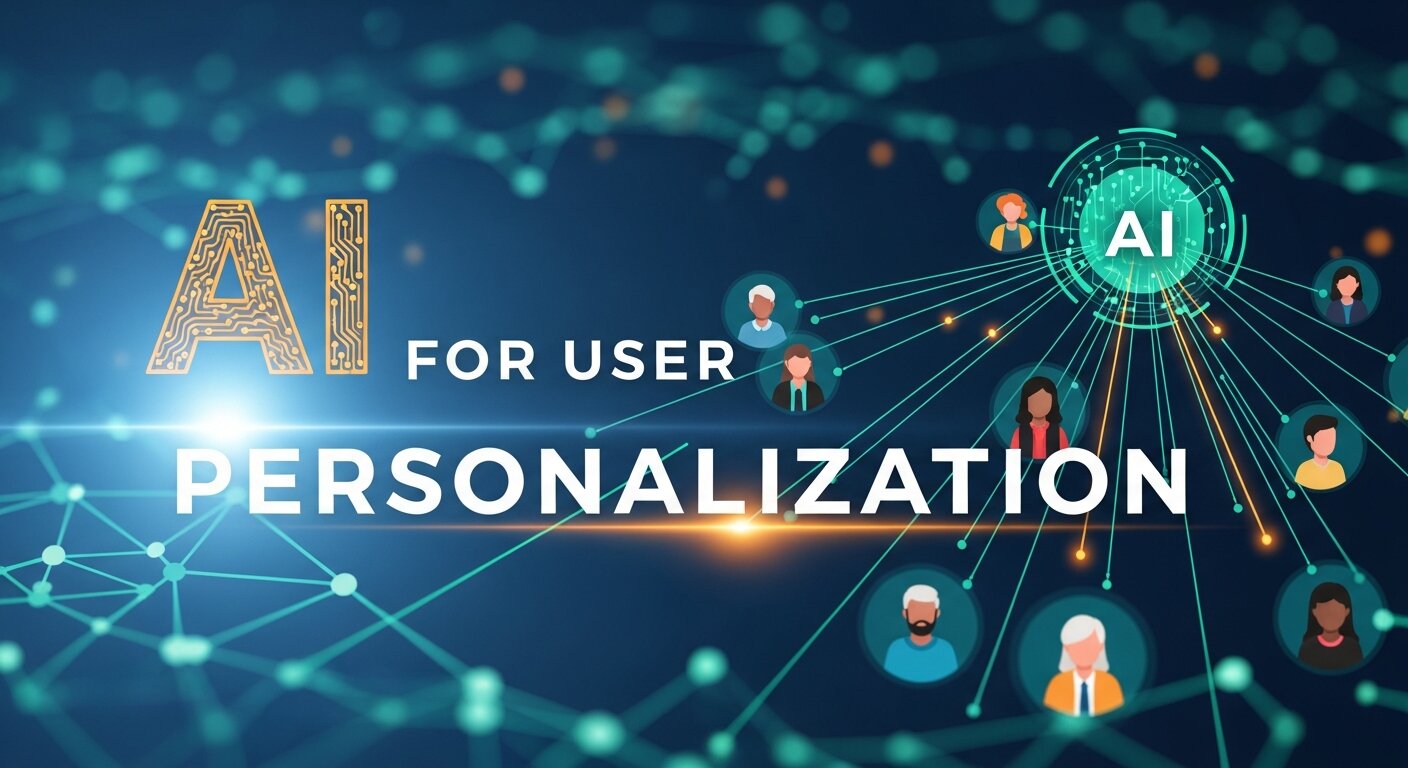
Artificial intelligence can significantly enhance website interactions. By analyzing user behavior, AI in web development can provide personalized content, product recommendations, or adaptive navigation menus tailored to individual preferences. Personalized experiences increase engagement and drive higher conversion rates for email campaigns, landing pages, and promotional offers. AI algorithms can also predict user intent, suggesting relevant actions or content to guide users toward completing desired goals. Integrating AI tools doesn’t just improve usability—it empowers marketing teams with actionable insights for targeted campaigns. As a result, websites feel more intuitive, helping businesses retain visitors and strengthen customer relationships.
Strengthening Website Security
Website security is a critical factor for maintaining trust and safeguarding user data. Implementing HTTPS protocols, secure authentication, and regular software updates prevents data breaches and protects sensitive information, such as email sign-ups or payment details. Security-focused development also reduces downtime, which is essential for uninterrupted marketing campaigns. Features like two-factor authentication and encrypted databases ensure that users feel confident interacting with your site. By prioritizing security, developers indirectly enhance marketing effectiveness, as visitors are more likely to engage with and share content from a site they trust, ultimately improving brand credibility and campaign outcomes.
Enhancing Mobile Experiences
Mobile optimization is no longer optional, as most users access websites via smartphones or tablets. Ensuring responsive layouts, touch-friendly navigation, and fast mobile load times improves user engagement and satisfaction. Developers can employ frameworks or adaptive techniques to tailor content dynamically for different screen sizes, providing consistent experiences across devices. Mobile-first design also complements marketing strategies, such as push notifications, mobile ads, or email campaigns, by creating frictionless pathways to conversion. Sites that deliver smooth mobile experiences encourage longer visits, increased interactions, and higher lead generation, directly contributing to campaign ROI and long-term customer loyalty.
Leveraging Real-Time Analytics
Web analytics provide actionable insights that guide marketing decisions. By tracking visitor behavior, clicks, and conversions, businesses can identify high-performing content and underperforming areas. Real-time data allows marketing teams to adjust campaigns quickly, optimizing landing pages, calls-to-action, and promotional efforts. Integrating analytics into website development ensures that all user interactions, including form submissions and downloads, are accurately captured. Combined with serverless web development techniques, analytics can scale efficiently, even during traffic spikes. This synergy ensures that marketers can respond to trends promptly, improving campaign effectiveness and supporting a data-driven growth strategy.
Implementing Interactive Features
Interactive elements like calculators, quizzes, chatbots, or product configurators significantly enhance user engagement. These features provide users with hands-on experiences, guiding them toward informed decisions or conversions. Developers can integrate these tools with analytics to track interactions and refine marketing campaigns. For instance, a product quiz can identify customer preferences and feed data back to personalize email marketing or dynamic content. Interactive websites not only entertain but also gather insights about user needs, supporting future marketing efforts. Proper implementation ensures performance and responsiveness, maintaining a seamless experience that increases dwell time and strengthens the overall impact of marketing initiatives.
Preparing for Future Technologies
Staying ahead in web development requires embracing emerging technologies. Innovations like progressive web apps, AI-driven chatbots, and serverless architectures are reshaping how websites perform and interact with users. By preparing for these advancements, developers ensure that websites remain fast, scalable, and adaptable to evolving user expectations. Future-proofing sites also supports marketing strategies by allowing businesses to leverage new features quickly, such as personalized AI recommendations or high-performance mobile experiences. Incorporating these technologies positions brands to deliver innovative campaigns, maintain user satisfaction, and maximize conversions, all while keeping development efficient and scalable for future growth.
Next Steps Toward Web Development and Marketing Harmony
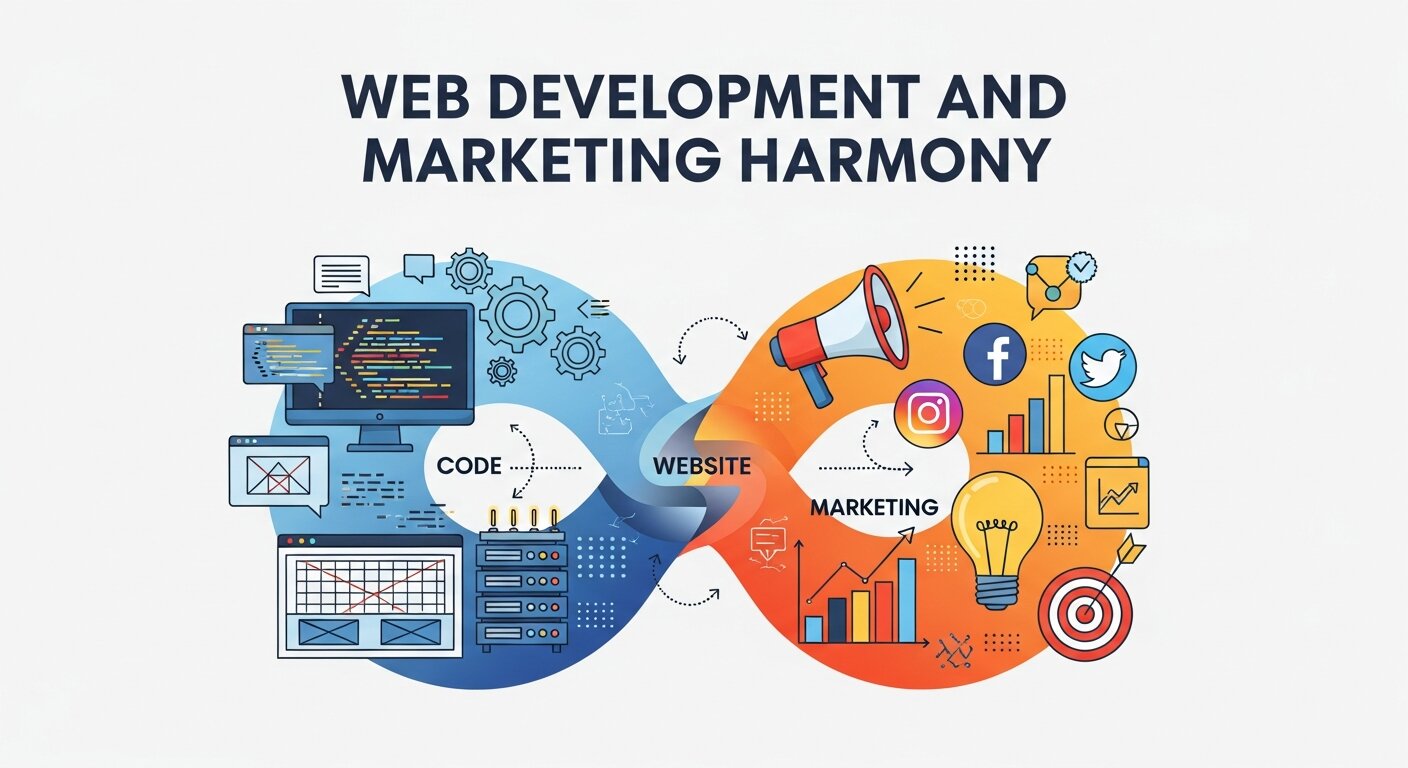
Boosting your marketing effectiveness begins with a great website. When web development and marketing align, they create the ultimate powerhouse for brand growth, conversions, and customer retention.
Are you ready to take your marketing to the next level with smart web development? Start by ensuring your website is quick, responsive, SEO-friendly, and visually engaging. Together, these elements form the foundation for a marketing machine that delivers results.
FAQ
1. How does web development impact marketing?
Web development shapes how users interact with your website. A well-developed site ensures fast load times, mobile responsiveness, SEO-friendly structure, and engaging layouts, all of which improve conversions, user retention, and campaign effectiveness.
2. Why is website speed important for marketing?
Page speed directly affects user experience and SEO. Slow websites lead to higher bounce rates, reducing the effectiveness of paid campaigns, email promotions, and organic search efforts. Optimizing speed can increase engagement and conversions.
3. What is mobile-first development, and why does it matter?
Mobile-first development designs websites for smartphones first, ensuring a seamless experience for the majority of users. Mobile optimization broadens audience reach and improves marketing campaign performance.
4. What role do landing pages play in marketing?
Landing pages are tailored to specific campaigns and audiences. Optimized designs, focused CTAs, and A/B testing improve conversion rates for PPC ads, email marketing, and product promotions.
5. How does analytics integration help marketing?
Integrating tools like Google Analytics and event tracking allows marketers to measure user behavior, monitor campaign effectiveness, and adjust strategies to improve ROI.
6. What are interactive features, and how do they boost engagement?
Interactive features like chatbots, quizzes, and calculators increase user engagement while capturing leads. These tools create memorable experiences that guide users toward conversions.
7. Can dynamic content improve marketing results?
Yes. Dynamic content personalizes the user experience based on behavior, preferences, or past interactions. Personalized recommendations and tailored messages increase engagement, loyalty, and conversion rates.
8. How do SEO-friendly websites enhance marketing efforts?
SEO-friendly websites improve visibility in search engines, attracting organic traffic. Proper URL structures, metadata, and schema markup make it easier for users to find your brand and engage with campaigns.
9. Are there real-world examples of web development improving marketing results?
Yes. E-commerce sites with advanced search features or restaurants with optimized mobile booking have seen significant increases in sales, conversions, and customer engagement after implementing strategic web development improvements.
10. What should marketers focus on when collaborating with developers?
Marketers should ensure their website is fast, responsive, SEO-optimized, and visually appealing. Clear communication about campaign goals, user experience, and tracking needs ensures development aligns with marketing strategies.