The digital world is constantly evolving, and businesses need modern, attractive, and user-friendly websites to remain competitive. In 2026, website design trends are focusing on simplicity, artificial intelligence, responsive layouts, interactive experiences, and accessibility. A successful website is no longer just about visual appearance; it must also provide a smooth user experience, load quickly, and work perfectly across different devices. Understanding the latest website design trends can help businesses, designers, and marketers create websites that attract visitors, build trust, and increase conversions. This guide explores the most important design ideas and innovations shaping the future of the web.
Latest Website Design Trends 2026
The digital landscape is changing rapidly, and businesses are adopting new technologies and creative approaches to improve their online presence. In 2026, website design trends are strongly influenced by artificial intelligence, personalization, accessibility, and user-centered design. Websites are becoming more intelligent, visually engaging, and easier to navigate.
One of the biggest changes is the growing demand for personalized digital experiences. Visitors expect websites to understand their preferences and provide relevant information without making navigation complicated. AI-powered recommendations, dynamic content, and intelligent search features are helping businesses deliver more meaningful experiences.
Another important development is the combination of attractive visuals and practical functionality. Designers are using creative typography, subtle animations, immersive imagery, and interactive elements to make websites memorable. However, these features must not affect loading speed or usability.
Performance is also becoming a major priority. Visitors expect websites to load quickly, respond smoothly, and display correctly on every device. Businesses that follow modern website design trends can create stronger digital experiences and build a competitive advantage in their industries.
Modern Web Design Ideas
Modern web design is about creating a balance between creativity, simplicity, and functionality. A website should communicate a brand’s message clearly while making it easy for visitors to find the information they need. In 2026, modern design ideas are moving beyond traditional layouts and focusing on more engaging digital experiences.
One popular approach is using bold typography to communicate important messages. Large headlines, carefully selected fonts, and clear visual hierarchy help visitors understand a website’s purpose within seconds. Designers are also experimenting with asymmetrical layouts, layered visuals, and creative spacing to make websites look distinctive.
Another modern idea is incorporating subtle motion into website elements. Hover effects, scrolling animations, and interactive transitions can guide visitors through different sections and make browsing more enjoyable. These effects should remain lightweight and purposeful rather than distracting.
Dark mode is another design approach gaining attention. It provides an alternative visual experience, reduces brightness in low-light environments, and can make certain design elements stand out. Offering both light and dark themes can improve user choice. Following these website design trends allows brands to create websites that look professional while maintaining a consistent identity and providing a convenient browsing experience.
Responsive Website Design Trends
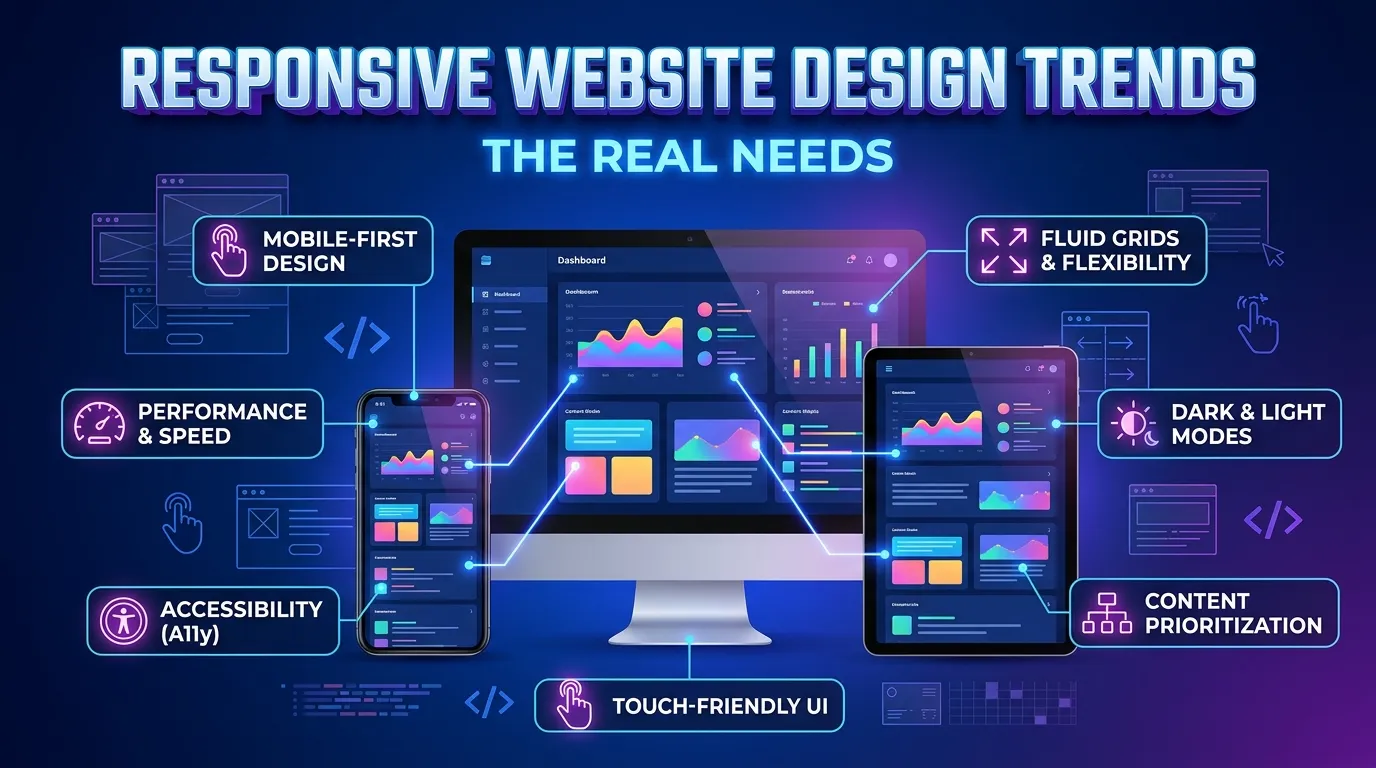 Responsive design has become an essential part of modern web development. People access websites through smartphones, tablets, laptops, and desktop computers, so a website must adjust automatically to different screen sizes. Responsive design ensures that content, images, navigation, and other elements remain accessible regardless of the device being used.
In 2026, designers are paying greater attention to mobile-first development. Instead of creating a desktop website and reducing its size for mobile devices, designers often begin with the smallest screen and gradually improve the experience for larger displays. This approach helps prioritize essential content and improves usability.
Flexible grids, scalable images, fluid typography, and CSS container queries are also becoming important tools. They allow website layouts to respond more intelligently to available screen space. Navigation menus are being simplified to make mobile browsing easier, while touch-friendly buttons improve interaction.
Another important consideration is content consistency. Visitors should receive the same essential information and functionality whether they access a website from a phone or a computer.
Businesses adopting these website design trends can improve accessibility, reduce navigation problems, and provide a consistent experience across different devices. Responsive design also supports search engine optimization by making websites easier to use on mobile devices.
Minimalist Website Design
Minimalist design continues to be an important approach because it focuses on clarity and purpose. Instead of filling every section with images, animations, and decorative elements, minimalist websites use clean layouts, sufficient white space, and carefully selected visual components.
The main purpose of minimalist design is to remove unnecessary distractions. When visitors land on a website, they should immediately understand what the business offers and where they need to go. Simple navigation, readable typography, and clear calls to action make this possible.
Neutral color palettes, limited font combinations, and high-quality imagery are commonly used in minimalist layouts. However, minimalism does not mean that every website must look plain. Designers can still create visually interesting experiences through creative spacing, contrasting colors, and distinctive typography.
Minimalist design can also support website performance because fewer unnecessary visual elements may reduce page complexity. However, actual performance depends on how the website is developed and optimized.
Among the most practical website design trends, minimalism offers a timeless solution for businesses that want a professional appearance without overwhelming visitors. It works particularly well for portfolios, corporate websites, service businesses, and online stores.
User Experience (UX) Design Trends
User experience is one of the most important factors influencing website success. A visually attractive website may capture attention, but visitors are more likely to stay when the website is easy to understand and navigate.
In 2026, UX design is increasingly focused on accessibility, personalization, simplicity, and reducing friction. Designers are creating intuitive navigation systems that help users reach important information with fewer steps. Clear labels, logical page structures, readable content, and visible calls to action all contribute to a better experience.
Accessibility is also receiving greater attention. Websites should support keyboard navigation, provide alternative text for meaningful images, maintain sufficient color contrast, and use clear headings. These practices make digital experiences more inclusive for people with different abilities.
Personalization is another important development. AI tools can help businesses understand user behavior and present more relevant content. For example, an online store may recommend products based on browsing activity, while a service website may highlight information based on a visitor’s interests.
These website design trends demonstrate that successful UX design is not simply about appearance. It is about understanding visitors, solving their problems, and making every interaction straightforward.
Businesses can also strengthen their broader digital strategy by connecting website experiences with other marketing activities. For example, an effective social media listening strategy for business can help brands understand customer feedback and identify the improvements their audiences expect.
Modern UI Design Trends
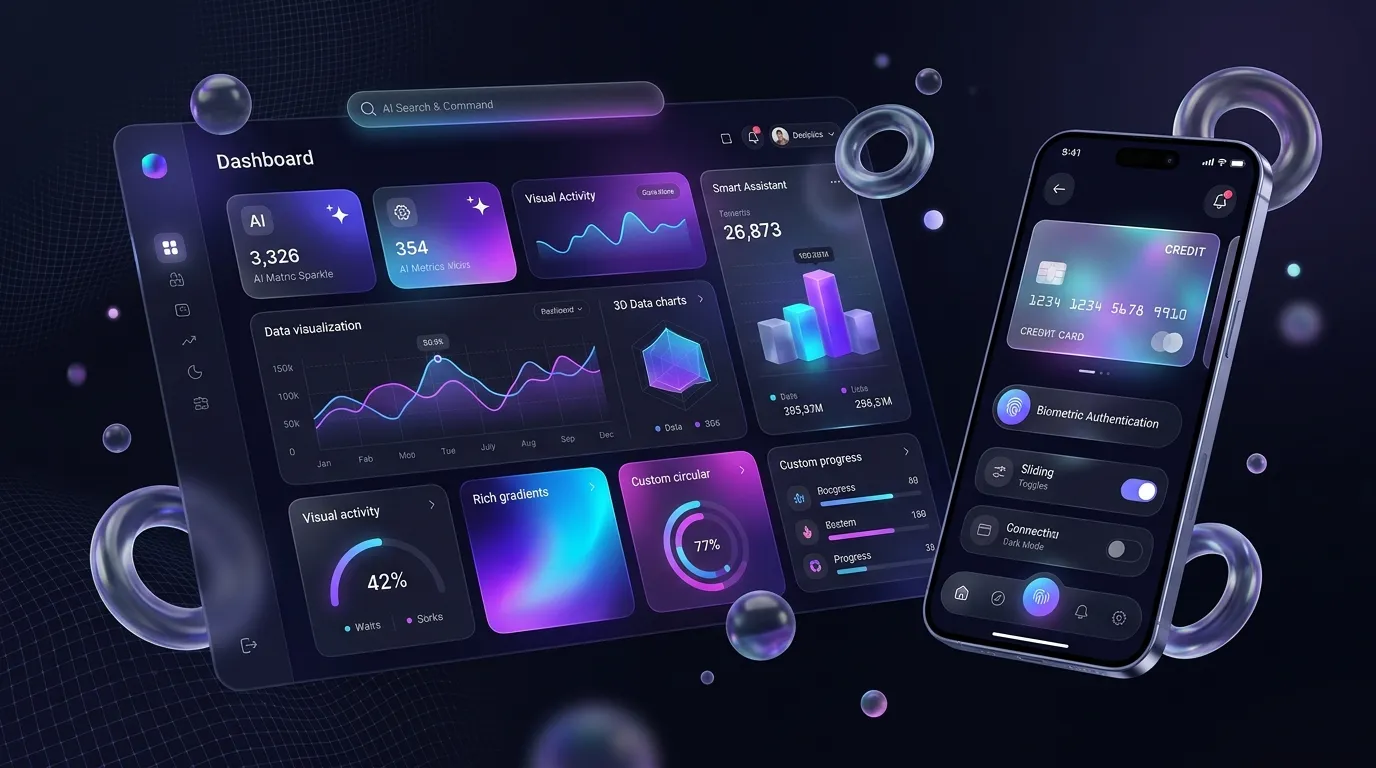 User interface design focuses on the visual and interactive elements people use when visiting a website. Buttons, menus, forms, icons, cards, and navigation systems all contribute to the overall interface.
Modern UI design in 2026 is moving toward clean components, consistent design systems, and more meaningful interactions. Designers are creating interfaces that look attractive while making every element easy to understand.
Micro-interactions are becoming increasingly popular. These are small visual responses that occur when users interact with a website. For example, a button may change its appearance when clicked, a form may display helpful feedback, or a navigation item may respond when a visitor moves the cursor over it.
Typography is another important part of modern interfaces. Clear font combinations, appropriate text sizes, and consistent spacing help visitors read information comfortably. Designers are also using carefully selected accent colors to highlight important actions without creating visual clutter.
Glassmorphism, soft shadows, gradient backgrounds, and rounded interface components can also be used to create distinctive visual experiences. However, these techniques should support usability rather than become unnecessary decoration.
The best website design trends combine attractive interfaces with predictable interactions. A consistent UI helps visitors understand how a website works and makes the overall experience more comfortable.
Mobile-Friendly Web Design
Mobile-friendly web design is essential because a large number of people use smartphones to search for information, compare products, and access online services. A website that performs poorly on mobile devices can lose potential customers even if its desktop version looks excellent.
In 2026, mobile-friendly design focuses on simplicity, speed, readability, and touch-based interaction. Buttons should be large enough to tap comfortably, text should remain readable without zooming, and navigation should be easy to operate with one hand.
Mobile layouts should also prioritize important information. Visitors should not need to scroll through unnecessary content before finding a product, service, contact form, or important call to action.
Image optimization is another important factor. Large images can slow down mobile websites, especially when visitors use slower internet connections. Modern image formats, responsive image delivery, and lazy loading can help improve performance.
Forms should also be designed with mobile users in mind. Shorter forms, appropriate input types, clear instructions, and simple validation can reduce frustration.
These website design trends help businesses create mobile experiences that are convenient and accessible. A mobile-friendly website can also support better engagement and conversions by allowing visitors to interact with a brand wherever they are.
AI-Powered Web Design Trends
Artificial intelligence is transforming how websites are planned, designed, developed, and maintained. AI-powered tools can help designers generate layout ideas, create visual assets, write draft content, analyze visitor behavior, and automate repetitive tasks.
In 2026, AI is becoming more integrated into website creation workflows. Designers can use AI-assisted tools to explore different color combinations, generate design concepts, and create early prototypes. These tools can reduce the time required for initial planning and allow creative teams to test more ideas.
AI-powered personalization is another major development. Websites can use behavioral information to recommend relevant content, suggest products, or improve search experiences. Intelligent chatbots can also answer common questions and help visitors find information more quickly.
However, AI should support human creativity rather than replace thoughtful design decisions. Automatically generated layouts may not always reflect a brand’s identity, understand its audience, or provide an accessible experience. Human review remains essential for quality, accuracy, privacy, and usability.
Businesses should also use AI responsibly by being transparent about data collection and following relevant privacy requirements.
As AI capabilities continue to improve, website design trends will increasingly combine automation with human-centered creativity. This combination can help businesses build more efficient, personalized, and engaging websites.
Creative Website Layout Ideas
A website’s layout determines how information is organized and how visitors move through different sections. Creative layouts can make a brand more recognizable while helping important content stand out.
One popular approach is the bento grid layout. It organizes information into separate visual sections of different sizes, creating a structured yet interesting appearance. This style works well for product showcases, service pages, portfolios, and business websites.
Another creative approach is asymmetrical design. Instead of placing every element in a perfectly balanced grid, designers use different image sizes, text positions, and visual proportions to create movement. When implemented carefully, asymmetrical layouts can make a website feel more original.
Full-screen hero sections are also effective when used strategically. A strong headline, relevant image, and clear call to action can communicate a brand’s value immediately. Storytelling layouts take this idea further by guiding visitors through information in a logical sequence.
Interactive product displays, split-screen layouts, and card-based sections can also improve content presentation. The most suitable design depends on the website’s purpose and audience.
These website design trends show that creative layouts do not need to sacrifice usability. A successful layout should make information easier to understand while creating a memorable visual identity.
Future of Web Design
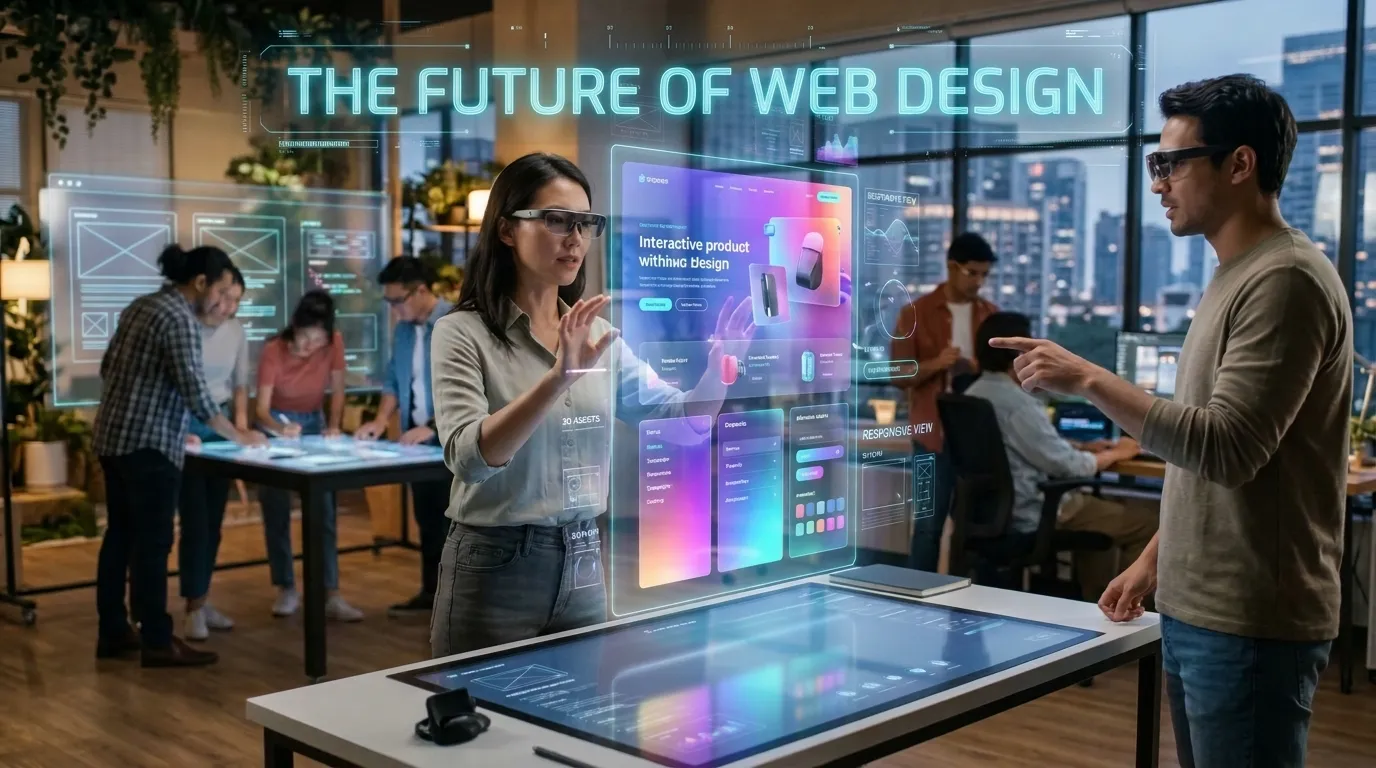 The future of web design will be shaped by technological innovation, changing user expectations, and the growing importance of digital accessibility. Websites will continue moving toward more personalized, intelligent, interactive, and performance-focused experiences.
Artificial intelligence will likely play a larger role in website development and content personalization. Designers may increasingly use AI to test layouts, understand user behavior, and identify opportunities for improvement. However, creativity, strategic thinking, and human judgment will remain essential.
Accessibility will also become an even more important consideration. Businesses will need to create websites that work for people with different abilities, devices, and browsing preferences. Inclusive design will be an important part of building trustworthy digital experiences. Another major development will be the focus on sustainable web practices. Optimized images, efficient code, lightweight interfaces, and responsible resource usage can help reduce unnecessary digital consumption while improving performance.
Immersive technologies, advanced animation, voice-based interactions, and more intelligent interfaces may also influence future website experiences. Nevertheless, technology should always serve a clear purpose.
Ultimately, website design trends will continue evolving, but the fundamental goal will remain the same: creating websites that communicate clearly, solve user problems, and provide valuable experiences. Businesses that regularly evaluate their website performance, understand their audiences, and adapt to changing expectations will be better prepared for the future.
Conclusion
The digital world continues to evolve, and businesses must adapt to changing technologies and user expectations to maintain a strong online presence. The latest website design trends in 2026 highlight the importance of responsive layouts, minimalist designs, modern UI, better user experiences, and AI-powered features. However, creating a successful website is not just about following the latest trends; it is about understanding your audience and providing a smooth, accessible, and engaging experience.
FAQ
1. What are the latest website design trends in 2026?
The latest trends include AI-powered personalization, responsive layouts, minimalist design, bold typography, interactive elements, accessibility-focused interfaces, and performance optimization. These approaches help businesses create modern and user-friendly websites.
2. Why are modern web design trends important?
Modern design trends help businesses keep their websites relevant, attractive, and easy to use. They can improve visitor engagement, strengthen brand identity, and create better opportunities for conversions.
3. What is responsive website design?
Responsive website design is an approach that allows a website to adjust its layout and content according to different screen sizes. It ensures that websites work properly on smartphones, tablets, laptops, and desktop computers.
4. Is minimalist website design still popular in 2026?
Yes, minimalist design remains popular because it emphasizes simplicity, readability, and functionality. Clean layouts and fewer distractions help visitors find information more easily.
5. How do UX design trends improve website performance?
UX design improvements make websites easier to navigate and interact with. Clear navigation, accessible content, intuitive forms, and faster interactions can improve user satisfaction and encourage visitors to stay longer.
6. What is the difference between UI and UX design?
UI design focuses on the visual and interactive elements of a website, such as buttons, colors, menus, and typography. UX design focuses on the overall experience users have while navigating and interacting with the website.
7. Why is mobile-friendly web design important?
Mobile-friendly design is important because many visitors access websites through smartphones. It improves readability, navigation, accessibility, and overall usability across different screen sizes.
8. How is AI changing website design?
AI is helping designers generate layout ideas, create content drafts, automate repetitive tasks, personalize website experiences, and analyze user behavior. It can make the design process more efficient when combined with human expertise.
9. What makes a website layout creative and effective?
An effective creative layout combines visual appeal with clear organization. Proper spacing, readable typography, relevant images, logical navigation, and strategically placed calls to action help create a positive experience.
10. What will be the future of website design?
The future will likely involve more AI-powered personalization, accessible interfaces, immersive experiences, responsive layouts, and sustainable development practices. Websites will continue becoming more intelligent while maintaining a focus on usability and performance.