Marketing web development services can feel like solving a complex coding problem—there are multiple approaches, but finding the right solution requires strategy, patience, and testing. Many talented developers struggle to translate their technical expertise into compelling marketing messages that resonate with potential clients.
This comprehensive guide will walk you through proven strategies to market your web development services effectively, from identifying your ideal clients to creating campaigns that generate consistent leads and conversions.
Define Your Web Development Niche
Before launching any marketing campaign, you need clarity on what makes your web development services unique. The web development market is saturated with generalists, making it crucial to carve out a specific niche where you can become the go-to expert.
Identify Your Specialty Areas
Consider specializing in specific industries or technologies. For example, you might focus on:
- E-commerce platforms for retail businesses
- Custom web applications for healthcare companies
- WordPress development for small businesses
- Progressive web apps for mobile-first companies
Each niche comes with distinct pain points, budgets, and decision-making processes. Understanding these nuances allows you to craft targeted marketing messages that speak directly to your ideal client’s needs.
Research Your Competition
Analyze other web development agencies in your area or niche. What services do they offer? How do they position themselves? What gaps exist in the market that you could fill?
This research isn’t about copying competitors—it’s about understanding the landscape and finding opportunities to differentiate your services.
Know Your Target Audience Inside and Out
Effective marketing starts with deep audience understanding. Web development clients typically fall into several categories, each with different needs and buying behaviors.
Small Business Owners
Small business owners often need affordable, functional websites that help them establish credibility and attract customers. They value clear communication, reasonable pricing, and quick turnaround times.
Marketing Managers
Marketing managers at mid-sized companies usually have more sophisticated needs. They understand the technical requirements and want developers who can integrate with their existing marketing tools and strategies.
Startup Founders
Startup founders need scalable solutions that can grow with their business. They often have limited budgets but understand the importance of investing in quality development.
Create Detailed Client Personas
For each target segment, develop detailed personas that include:
- Demographics and company size
- Budget ranges and decision-making authority
- Technical knowledge level
- Primary pain points and goals
- Preferred communication channels
These personas will guide your marketing message, content creation, and channel selection.
Build a Strong Online Presence
Your website serves as the foundation of your web development marketing efforts. It needs to showcase your technical skills while being accessible to non-technical decision-makers.
Optimize Your Portfolio
Your portfolio should demonstrate both technical competence and business impact. For each project, include:
- Clear before-and-after comparisons
- Specific results achieved (increased conversions, improved load times, etc.)
- Technologies used and why they were chosen
- Client testimonials and case studies
Showcase Your Process
Many clients hire web developers based on perceived reliability and professionalism. Create content that explains your development process, from initial consultation through launch and ongoing maintenance.
Implement SEO Best Practices
Your website should rank well for relevant search terms. Focus on local SEO if you serve businesses in specific geographic areas, and optimize for service-related keywords like “custom web development” or “e-commerce website design.”
Content Marketing for Web Development
Content marketing helps establish your expertise while providing value to potential clients. The key is creating content that addresses real business problems, not just technical tutorials.
Educational Blog Posts
Write about topics that matter to business owners and decision-makers:
- “How Website Speed Affects Your Bottom Line”
- “5 Signs Your Business Needs a Custom Web Application”
- “Website Security: What Every Business Owner Must Know”
Case Studies and Success Stories
Detailed case studies demonstrate your ability to solve real business problems. Include specific metrics and outcomes whenever possible. A case study showing how you increased a client’s online sales by 40% is far more compelling than a generic portfolio piece.
Video Content
Video allows you to explain complex concepts in an accessible way. Consider creating:
- Client testimonials and interviews
- Behind-the-scenes development process videos
- Screen recordings demonstrating website features
Leverage Social Media Strategically
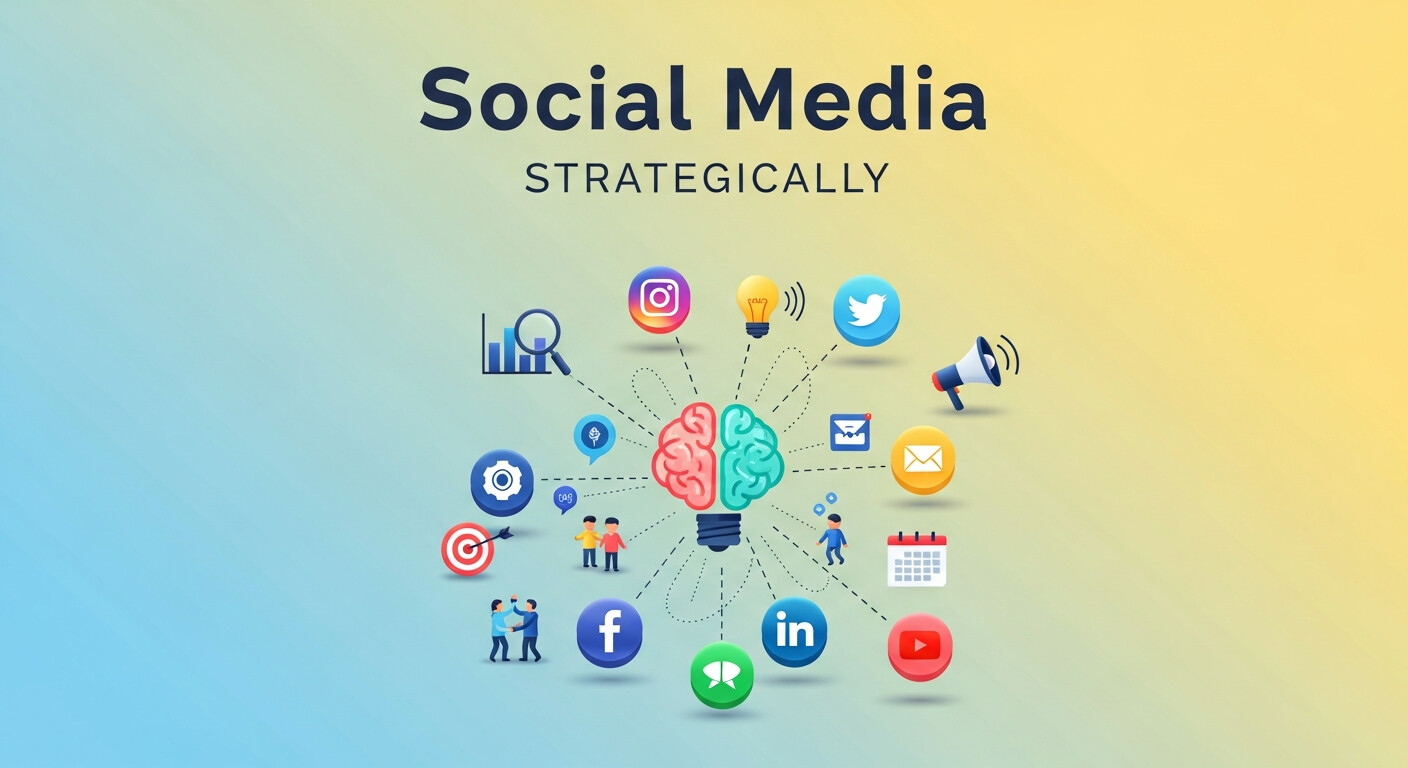
Different social media platforms serve different purposes in web development marketing. Choose platforms where your target audience is most active.
LinkedIn for B2B Networking
LinkedIn is particularly valuable for reaching business decision-makers. Share industry insights, comment on relevant posts, and engage with potential clients’ content.
Twitter for Industry Engagement
Twitter allows you to participate in web development conversations and showcase your expertise. Follow industry leaders, share useful resources, and engage in technical discussions.
Instagram for Visual Storytelling
While not obvious for web development, Instagram can be effective for showing your creative process and company culture. Share screenshots of beautiful designs, team photos, and behind-the-scenes content.
Communicating Technical Value in Business Language
Many web developers struggle to explain their technical expertise in a way that resonates with business owners. Clients rarely care about frameworks or libraries; they care about results like faster load times, higher conversions, and scalability. Successful marketing translates technical features into business outcomes. For example, instead of listing cloud functions, explain how Serverless Web Development reduces maintenance costs, improves performance, and allows businesses to scale without infrastructure headaches. When developers speak the language of ROI, efficiency, and growth, prospects feel more confident investing in their services. Clear, outcome-driven messaging helps bridge the gap between technical execution and business value, making your services easier to understand and easier to sell.
Using Automation and Intelligence to Strengthen Your Offer
Modern clients increasingly expect smarter, more efficient digital experiences. Web developers who understand automation and intelligence can position themselves as forward-thinking solution providers. Discussing how AI in Web Development improves personalization, enhances search functionality, or automates customer interactions can differentiate your services from competitors. Marketing these capabilities shows that you’re not just building websites—you’re creating intelligent platforms that adapt to user behavior. Even if clients don’t fully understand the technology, they understand benefits like improved engagement and reduced manual work. Highlighting intelligent solutions builds credibility and aligns your services with the future of digital business.
Packaging Services for Long-Term Client Relationships
One-off projects are valuable, but sustainable growth often comes from long-term partnerships. Structuring your offerings into clear service packages makes it easier for clients to commit. Maintenance plans, performance optimization, security updates, and feature enhancements can be bundled into recurring services. For businesses building subscription-based platforms, positioning your expertise in SaaS Development Services helps attract clients looking for scalability and continuous improvement. This approach not only stabilizes revenue but also strengthens trust. Marketing ongoing support as a strategic partnership—rather than an add-on—positions your business as an essential contributor to your client’s growth.
Building Trust Through Transparency and Education
Trust plays a major role in choosing a web development partner. Clients want to understand what they’re paying for and how the process works. Sharing timelines, milestones, and realistic expectations helps reduce uncertainty. Educational content such as FAQs, onboarding guides, and explainer articles reassures prospects that you have a structured approach. Transparency also includes openly discussing limitations, risks, and alternatives. When clients feel informed, they are more likely to move forward confidently. Marketing that focuses on clarity and honesty builds long-term credibility and leads to stronger client relationships and repeat business.
Aligning Marketing Efforts with Business Growth Goals
Marketing web development services should always align with where you want your business to go. If your goal is higher-value clients, focus on thought leadership and case studies. If scalability matters, invest in automated lead generation and partnerships. Tracking metrics like lead quality, project size, and client retention helps you refine your strategy over time. Marketing is not just about visibility—it’s about attracting the right opportunities. By aligning messaging, channels, and services with long-term objectives, you turn marketing into a growth engine rather than a trial-and-error expense.
Email Marketing and Lead Nurturing
Email marketing remains one of the most effective ways to nurture leads and maintain client relationships. Many web development projects have long sales cycles, making consistent follow-up crucial.
Create Valuable Lead Magnets
Offer valuable resources in exchange for email addresses:
- Website audit checklists
- “Ultimate Guide to Website Redesign”
- Templates for common web development needs
Develop Nurture Sequences
Create automated email sequences that educate prospects about web development topics relevant to their business needs. Focus on business outcomes rather than technical details.
Send Regular Newsletters
Keep your audience engaged with regular newsletters featuring:
- Industry news and trends
- Recent project highlights
- Helpful tips and resources
- Company updates and team spotlights
Network and Build Relationships
Web development is often a relationship-based business. Building genuine connections with other professionals can lead to valuable referrals and partnerships.
Partner with Complementary Businesses
Develop relationships with:
- Marketing agencies that need development partners
- Graphic designers who work with web clients
- Business consultants who serve your target market
- Other developers who might subcontract work
Attend Industry Events
Participate in local business events, web development conferences, and networking meetups. These events provide opportunities to meet potential clients and referral partners face-to-face.
Join Professional Organizations
Membership in relevant professional organizations can provide credibility and networking opportunities. Consider joining local business groups or industry-specific associations.
Measure and Optimize Your Marketing Efforts
Successful marketing requires continuous measurement and optimization. Track key metrics to understand what’s working and what needs improvement.
Key Performance Indicators
Monitor metrics such as:
- Website traffic and conversion rates
- Lead generation and cost per lead
- Email open and click-through rates
- Social media engagement and reach
- Client acquisition cost and lifetime value
A/B Testing
Test different marketing messages, email subject lines, and landing page designs to optimize performance. Small improvements in conversion rates can significantly impact your business growth.
Client Feedback and Surveys
Regularly collect feedback from clients about your services and marketing approach. This information helps you refine your messaging and identify new service opportunities.
Turn Marketing Into Sustainable Growth
Marketing web development services successfully requires a strategic approach that balances technical expertise with business acumen. Focus on understanding your target audience, creating valuable content, and building genuine relationships within your industry.
Remember that effective marketing is an ongoing process, not a one-time effort. Start with one or two strategies from this guide, master them, and then gradually expand your marketing efforts as you see results.
The web development market will continue to evolve, but businesses will always need skilled developers who can communicate effectively and deliver results. By implementing these marketing strategies consistently, you’ll be well-positioned to grow your web development business and attract clients who value your expertise.
Frequently Asked Questions (FAQ) – Marketing Web Development Services
1. Why is marketing important for web development services?
Marketing helps web developers showcase their expertise, attract the right clients, and stand out in a competitive market where technical skills alone are not enough.
2. How can web developers find their ideal clients?
By defining a clear niche, creating client personas, and understanding specific business pain points, developers can target clients who truly need their services.
3. What is the best marketing channel for web developers?
There is no single best channel. A combination of SEO, content marketing, LinkedIn networking, email marketing, and referrals usually delivers the best results.
4. How important is a portfolio for marketing web development services?
A strong portfolio is critical. It demonstrates real-world results, technical expertise, and business impact, helping clients trust your capabilities.
5. Can content marketing really generate web development leads?
Yes. Educational blogs, case studies, and videos position developers as experts and attract clients who are actively searching for solutions.
6. How long does it take to see results from marketing efforts?
Marketing results vary, but most web developers start seeing consistent leads within 3–6 months of focused and consistent marketing efforts.
7. Is social media effective for promoting web development services?
Yes, especially platforms like LinkedIn and Twitter, where business owners and decision-makers actively engage with professional content.
8. How can email marketing help web developers get clients?
Email marketing nurtures leads over time, builds trust, and keeps your services top-of-mind until prospects are ready to hire a developer.
9. Should freelancers and agencies use different marketing strategies?
While the core strategies are similar, freelancers often emphasize personal branding, whereas agencies focus more on scalability, team expertise, and processes.
10. What is the biggest mistake web developers make in marketing?
The biggest mistake is focusing too much on technical features instead of clearly explaining business benefits and real outcomes for clients.